
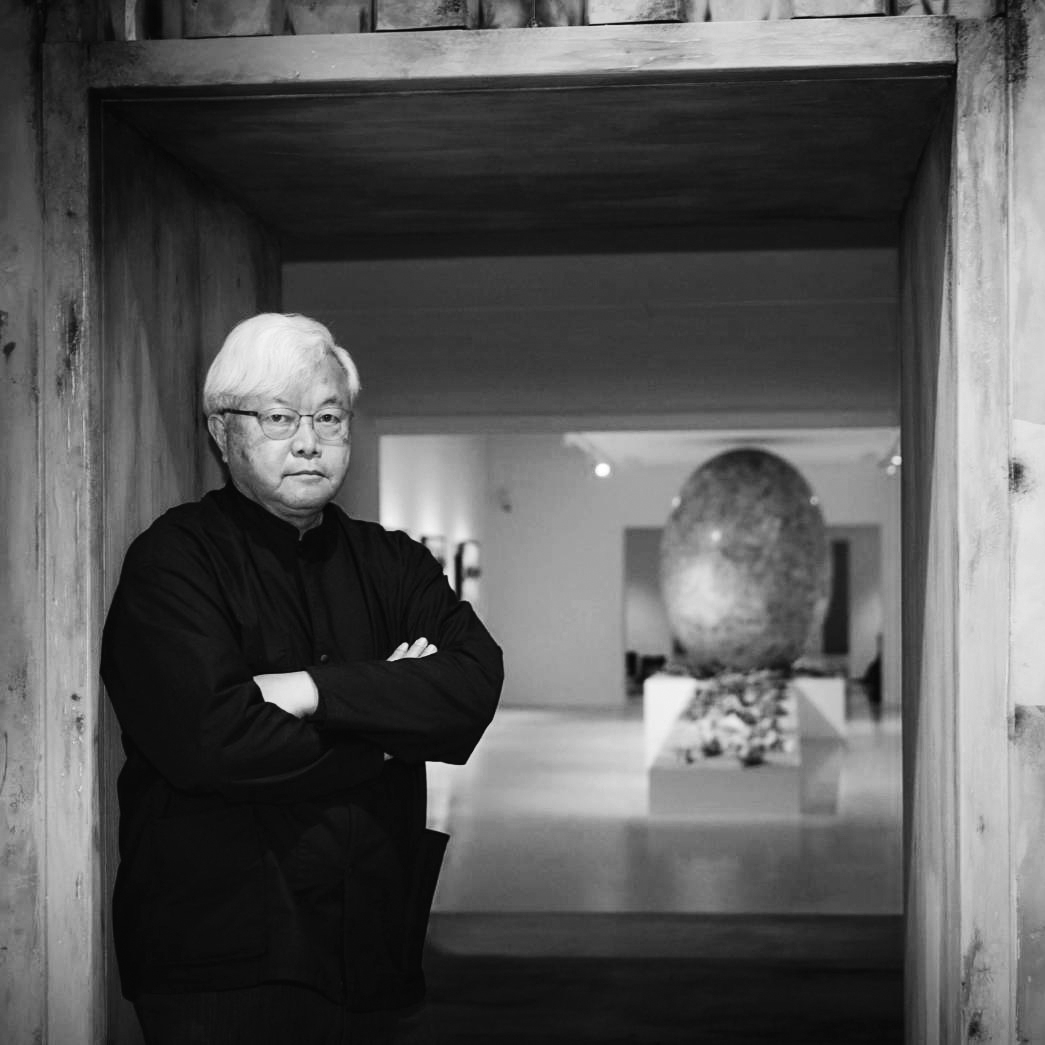
LU, Ming-Te
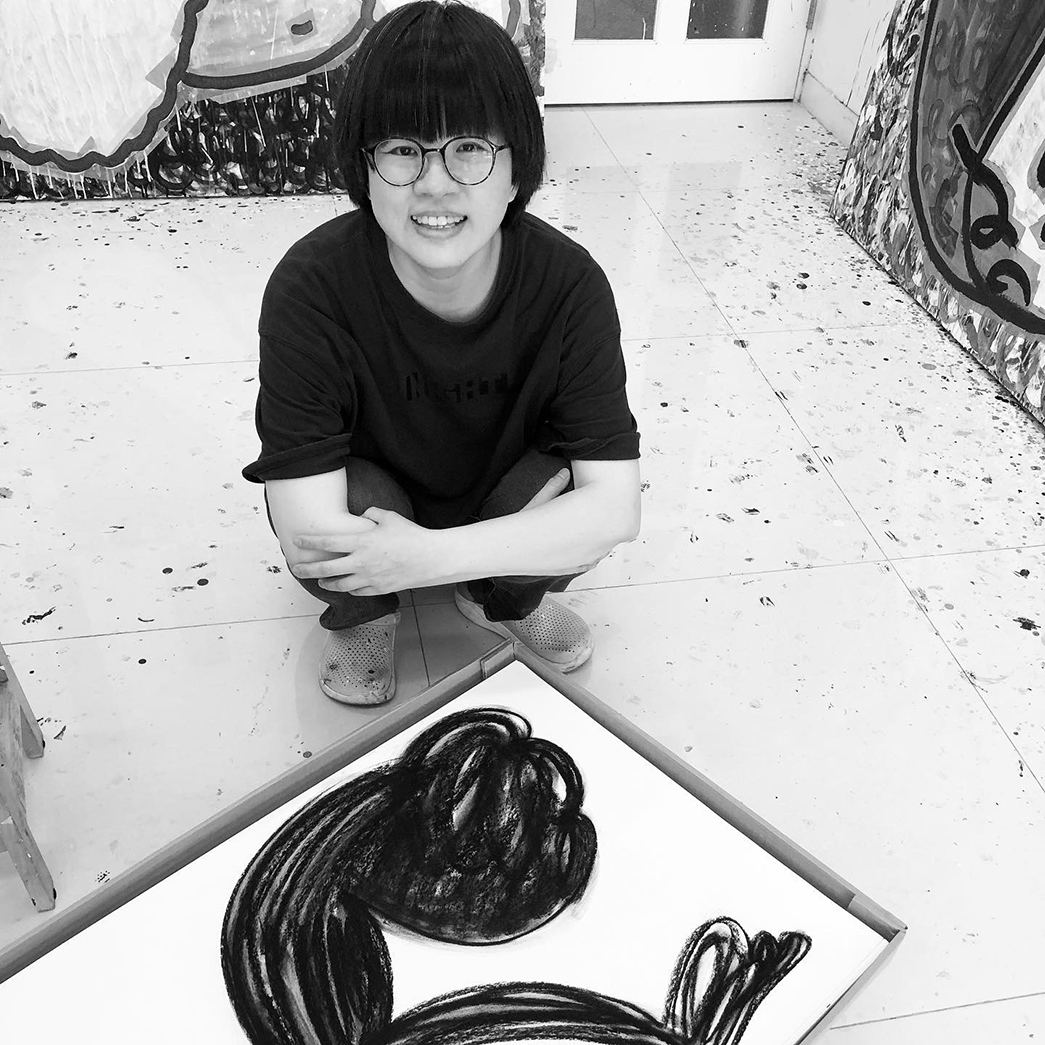
HSIAO, Chu-Fang
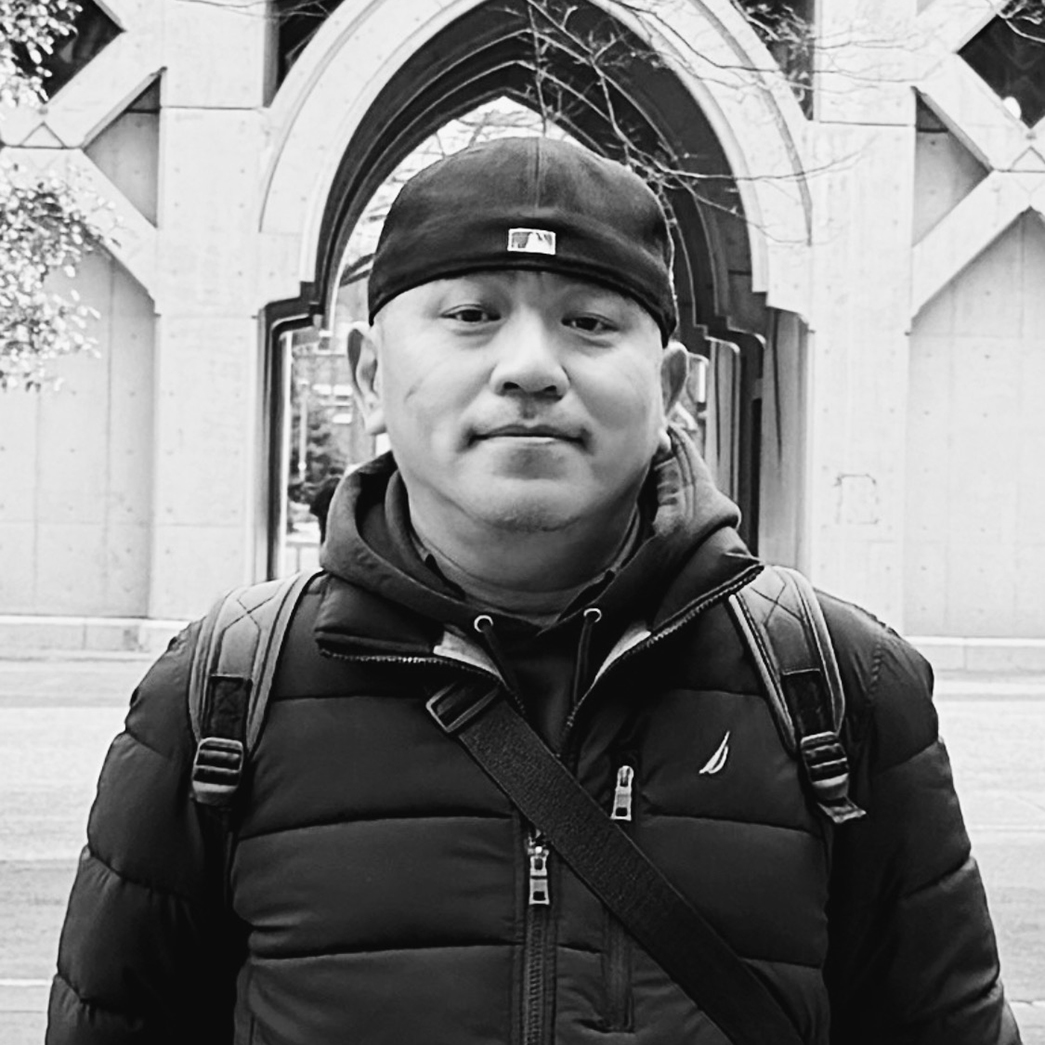
CHAN, Shih-Tai

CHUANG, Ho
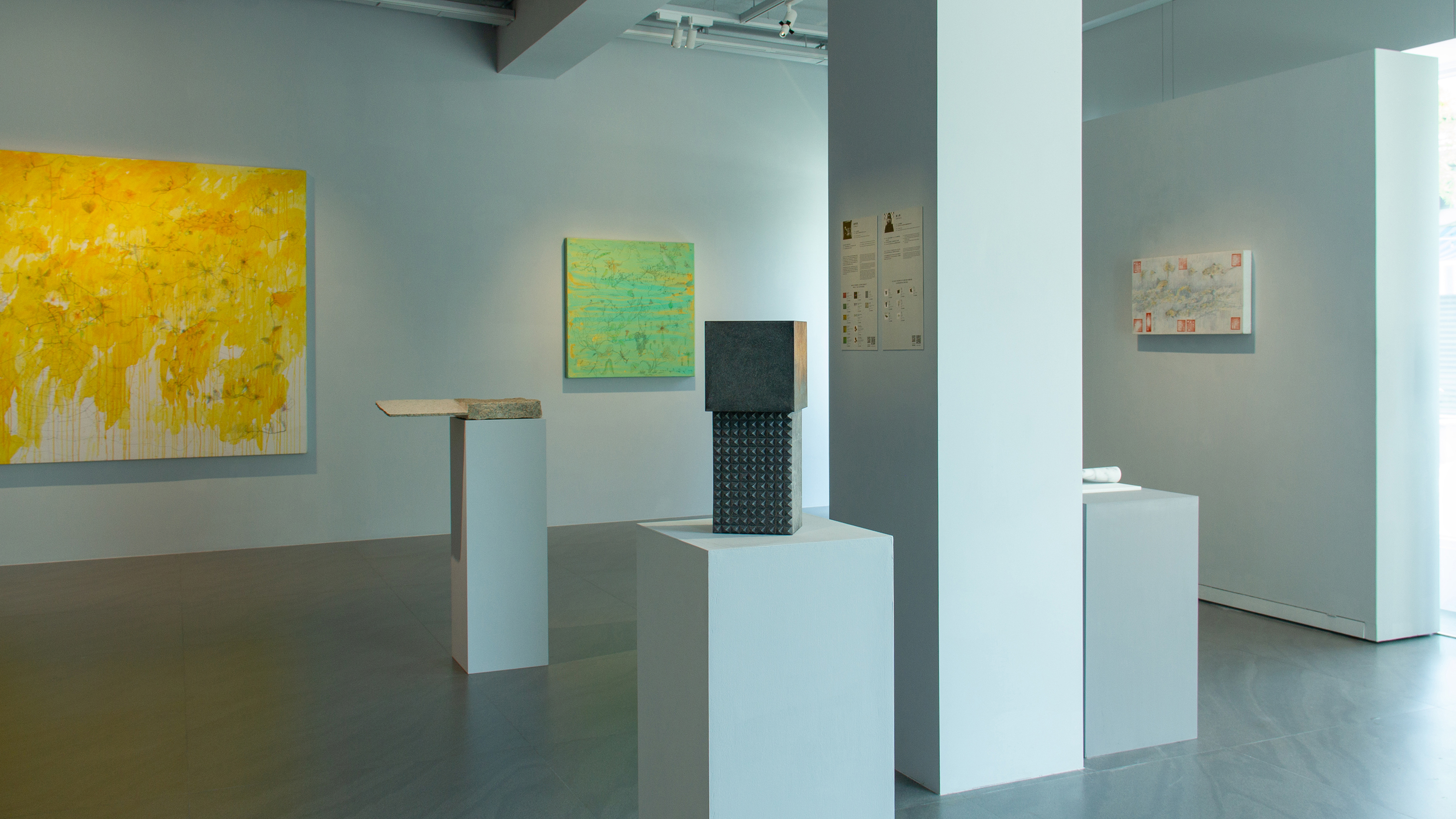
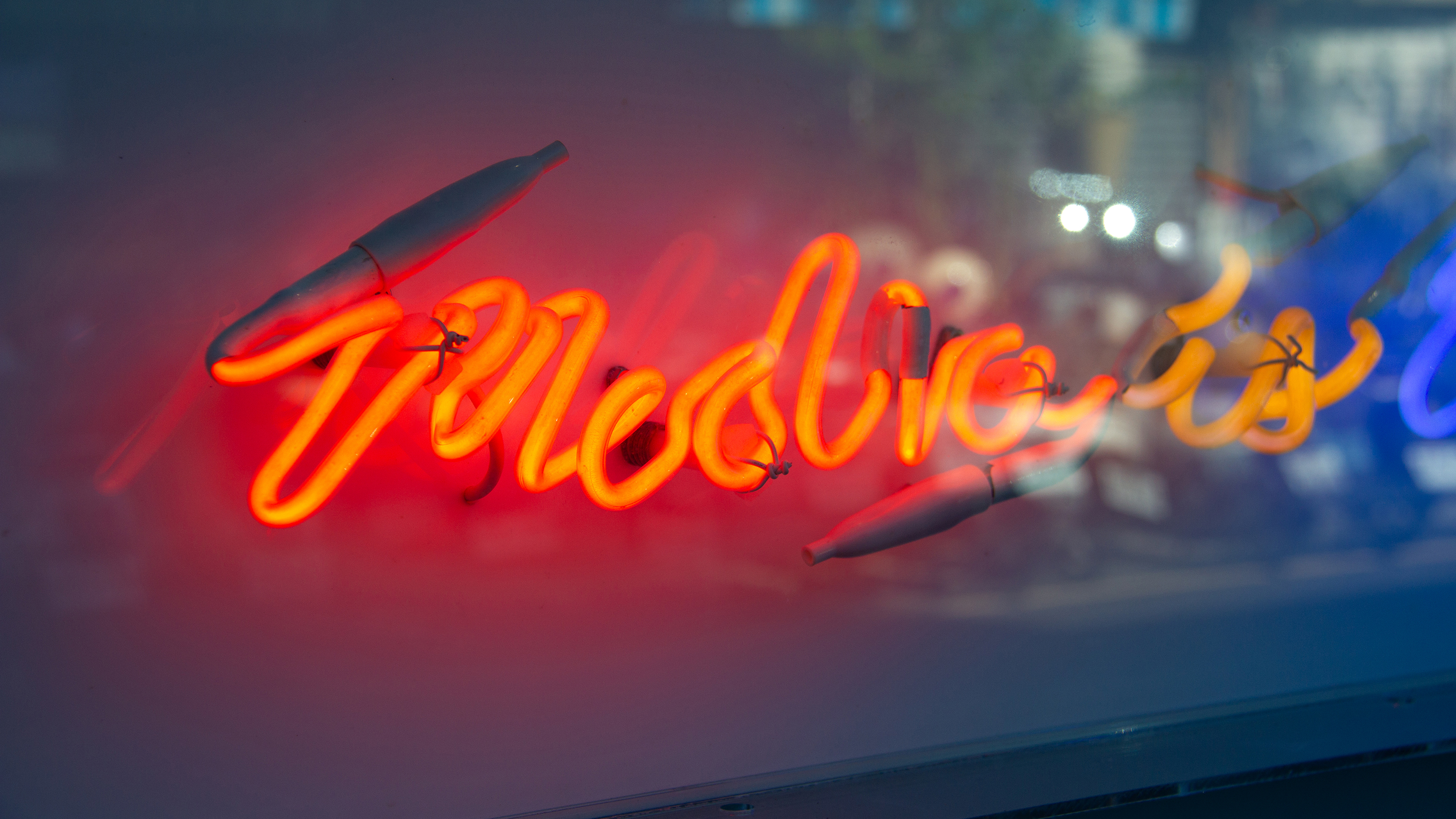
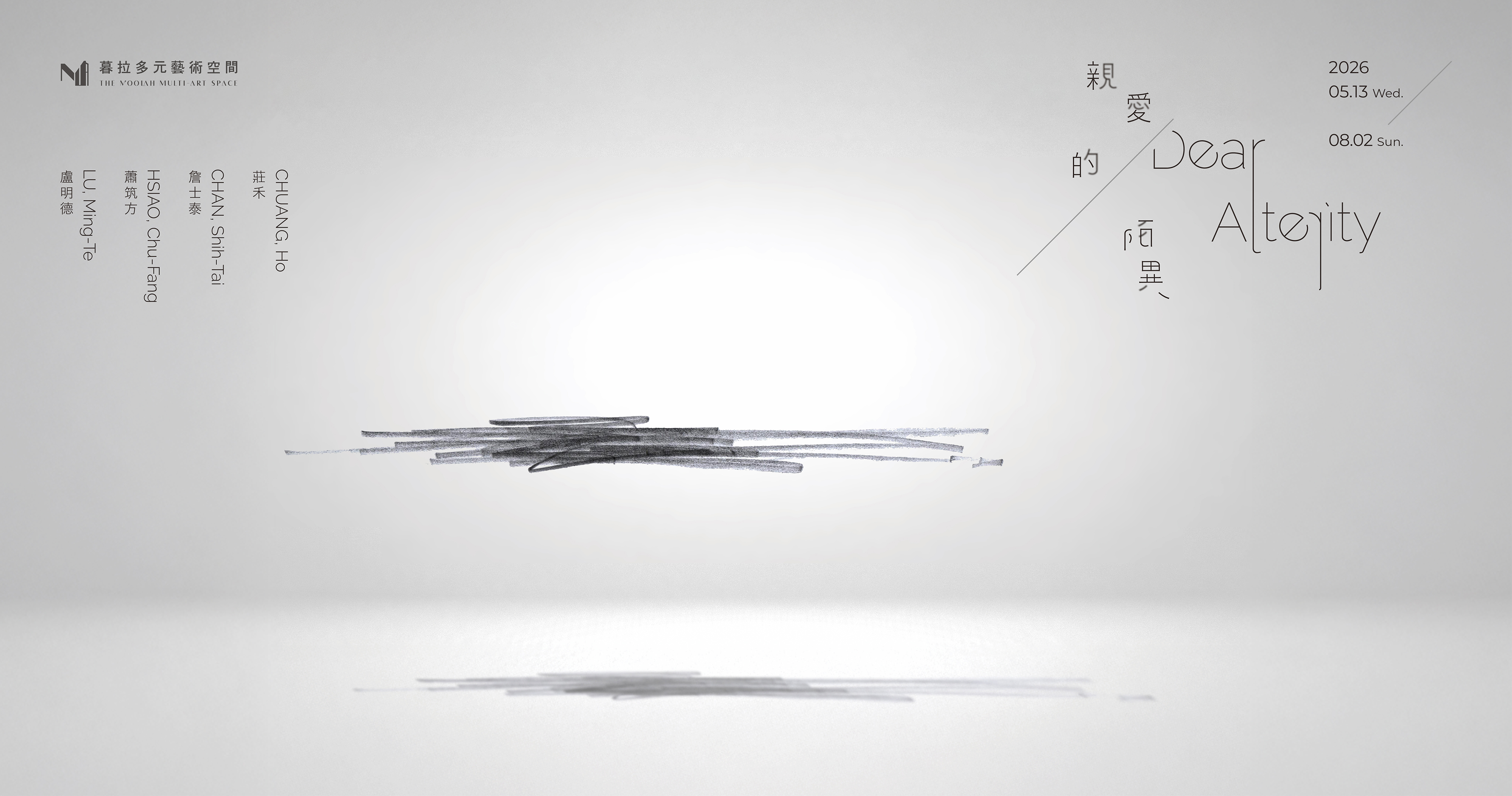
Dear Alterity
Detour, Emergence, and the Becoming of Perception
Text / Huang Chien-Hua
Stalker: Here, the straight path isn't the shortest. The more indirect, the less risk there is.
Writer: Is it fatal to go straight ahead?
Stalker: It's dangerous.
Writer: Is the detour safer?
Stalker: Not really, but no one takes this route.
— Andrei Tarkovsky, Stalker
When something cannot be approached directly, how else might we come to look at it? Or perhaps certain things do not wait ahead of us to be arrived at; they are more like forms that slowly disclose their own contours only through detour. What makes “alterity” so compelling may lie in the fact that it never appears as absolute unfamiliarity, but instead draws us toward what cannot be fully articulated all at once through a form of unsettling familiarity—something at once intimate and estranged.

It may begin only as a subtle deviation: an image that opens a slight distance from itself; a space quietly folded within its own ambiguity; a stretch of time elongated into a rhythm unlike its usual cadence. When certain forms of existence cannot be directly apprehended, when viewing is no longer understood as the sole act of reaching its object, but as a process reopened through displacement, things begin to reveal those parts of themselves that have not yet been named. In this way, alterity is not a sudden shock of difference, but something closer to an epistemological symptom. It is a marker of how artists, by inducing slight shifts within the world, reopen perception itself.

"Dear," meanwhile, proposes a different ethics of perception, a posture that knows how to linger, permits the detour, and acknowledges the limits of habitual understanding. It does not rush toward arrival, nor hasten to name. It resists immediately absorbing things into preexisting orders or assigning them a fixed, stable, endlessly recognizable position. Instead, it preserves ambiguity; it allows hesitation to become part of understanding, lets inquiry become a mode of knowing, and allows that which remains unnamed to emerge gradually, according to its own tempo. In this sense, "Dear" does not domesticate alterity into something approachable or benign. Rather, it preserves irreducible difference even in proximity. It does not abolish distance; it learns to coexist within it. For this reason, Dear Alterity does not address "the Other" directly, but turns what might otherwise remain at a remove—heterogeneous, difficult to categorize—toward a state in which it can be approached, contemplated, and related to anew.

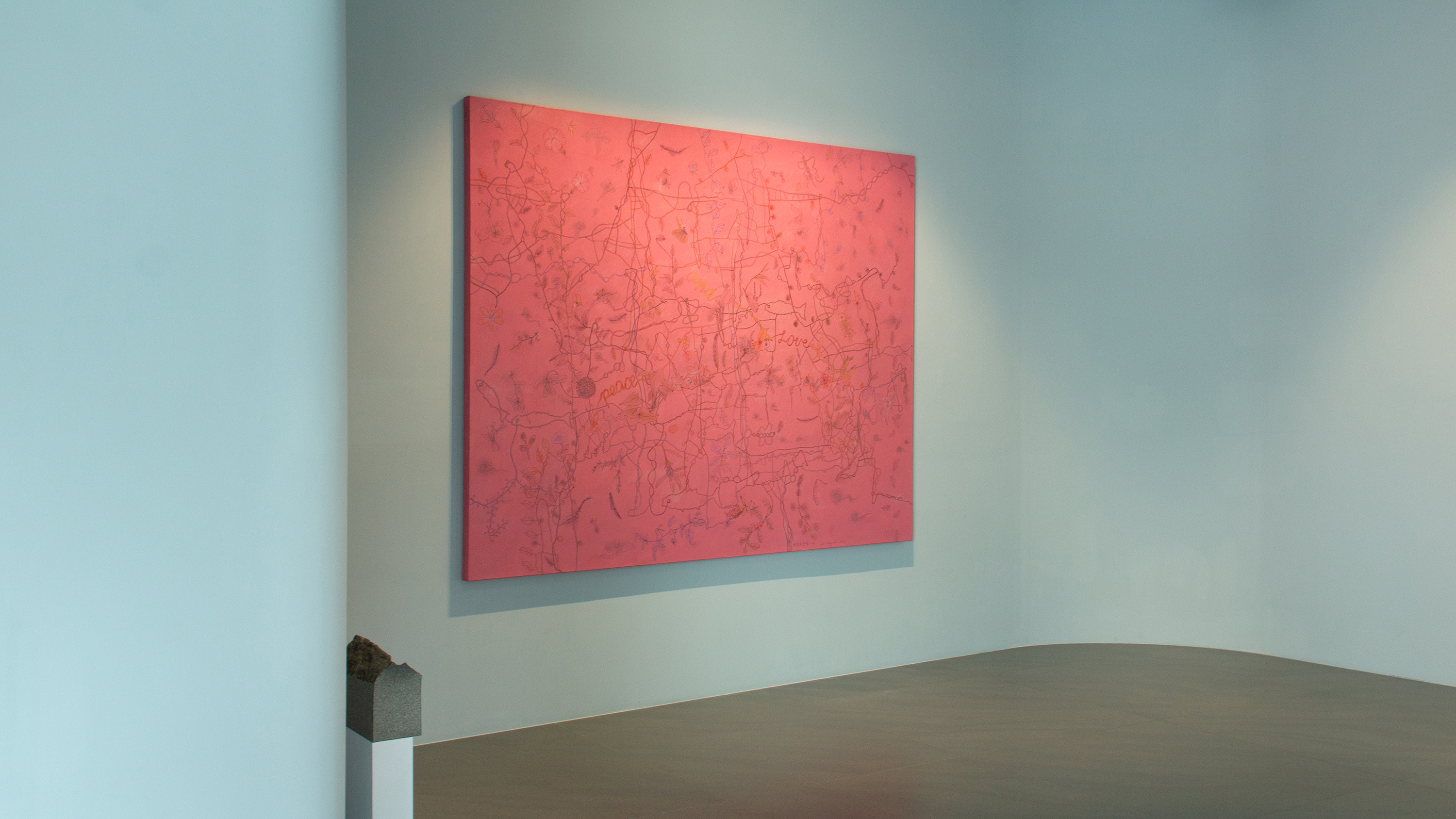
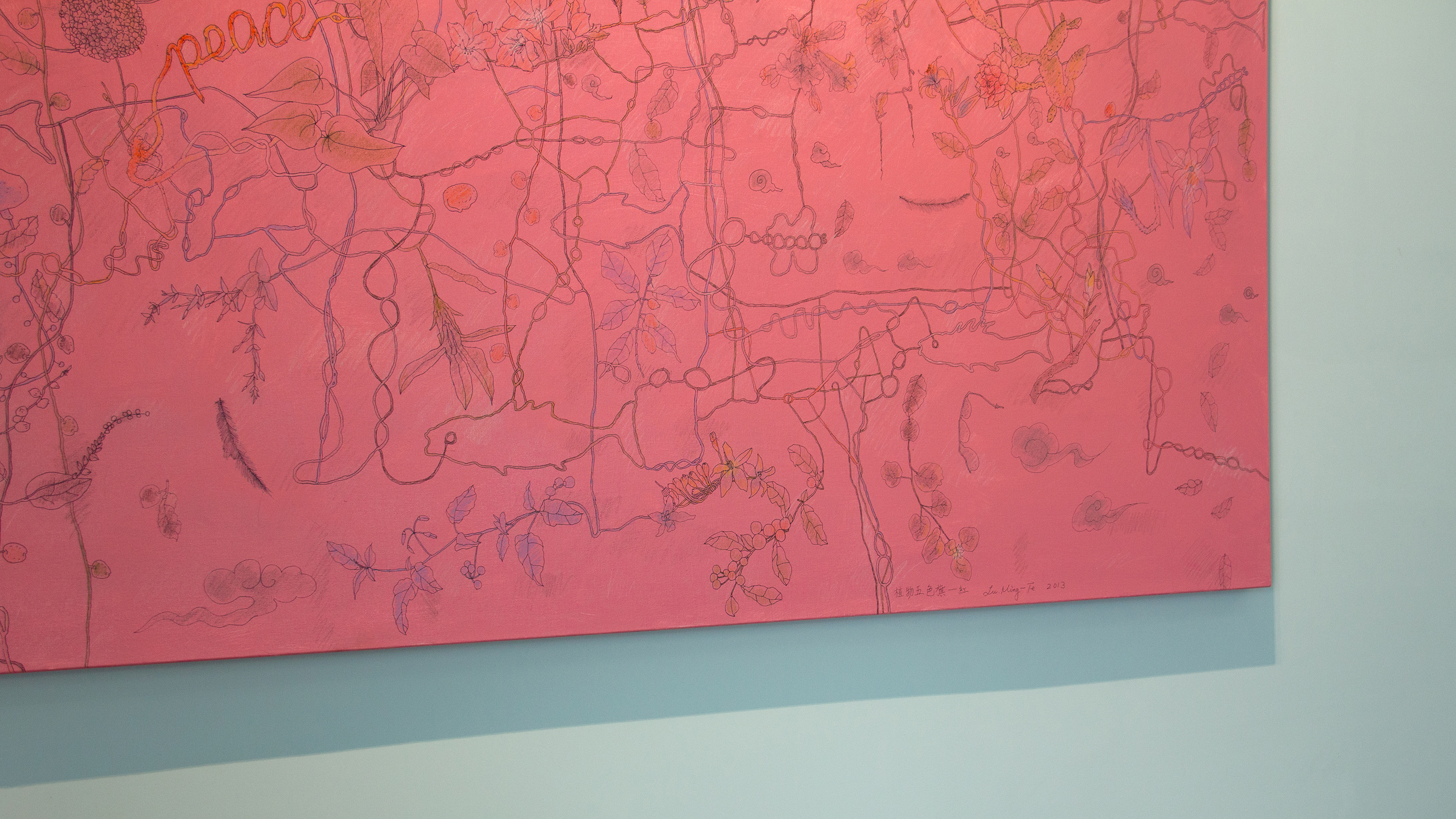
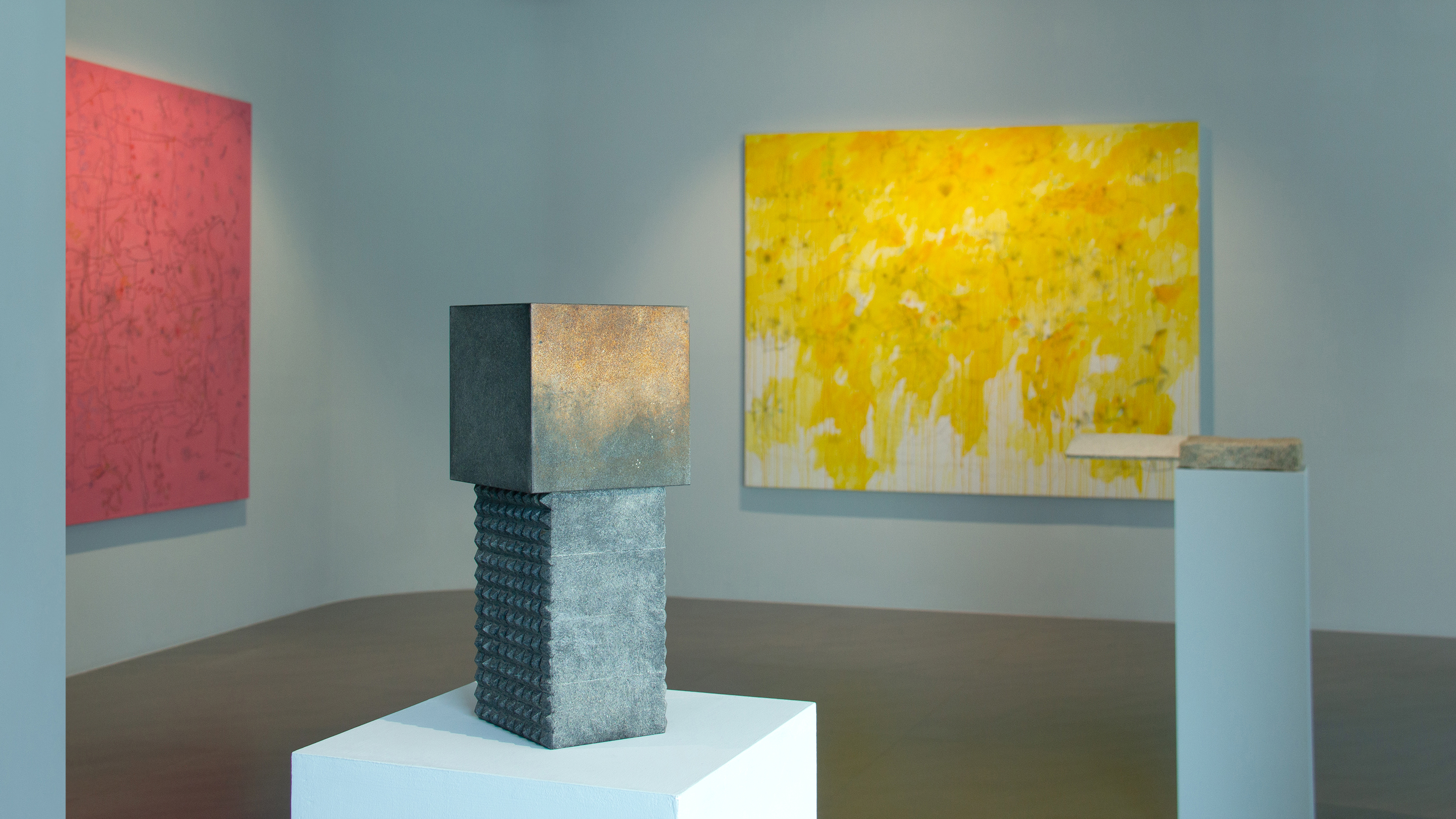
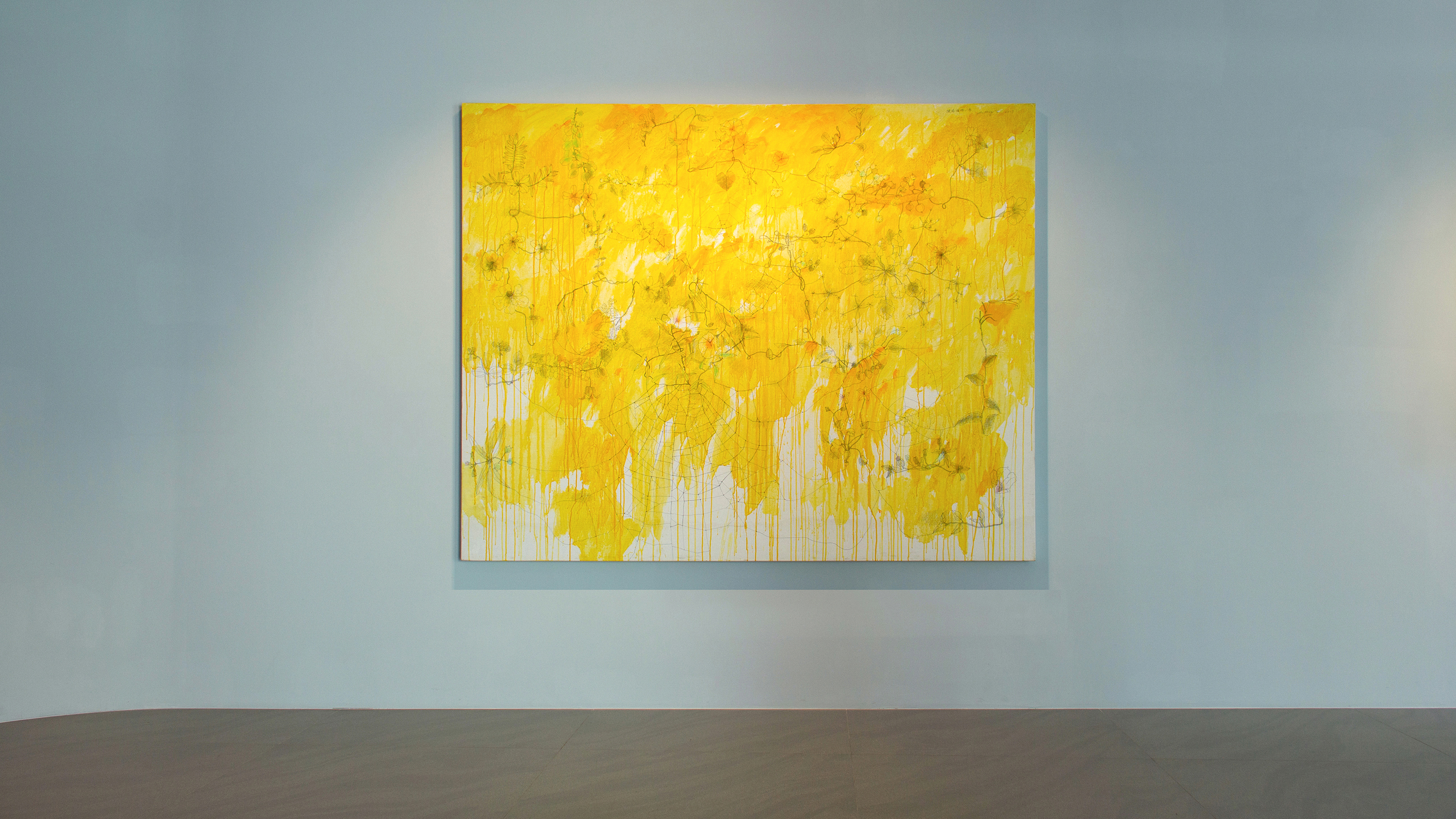
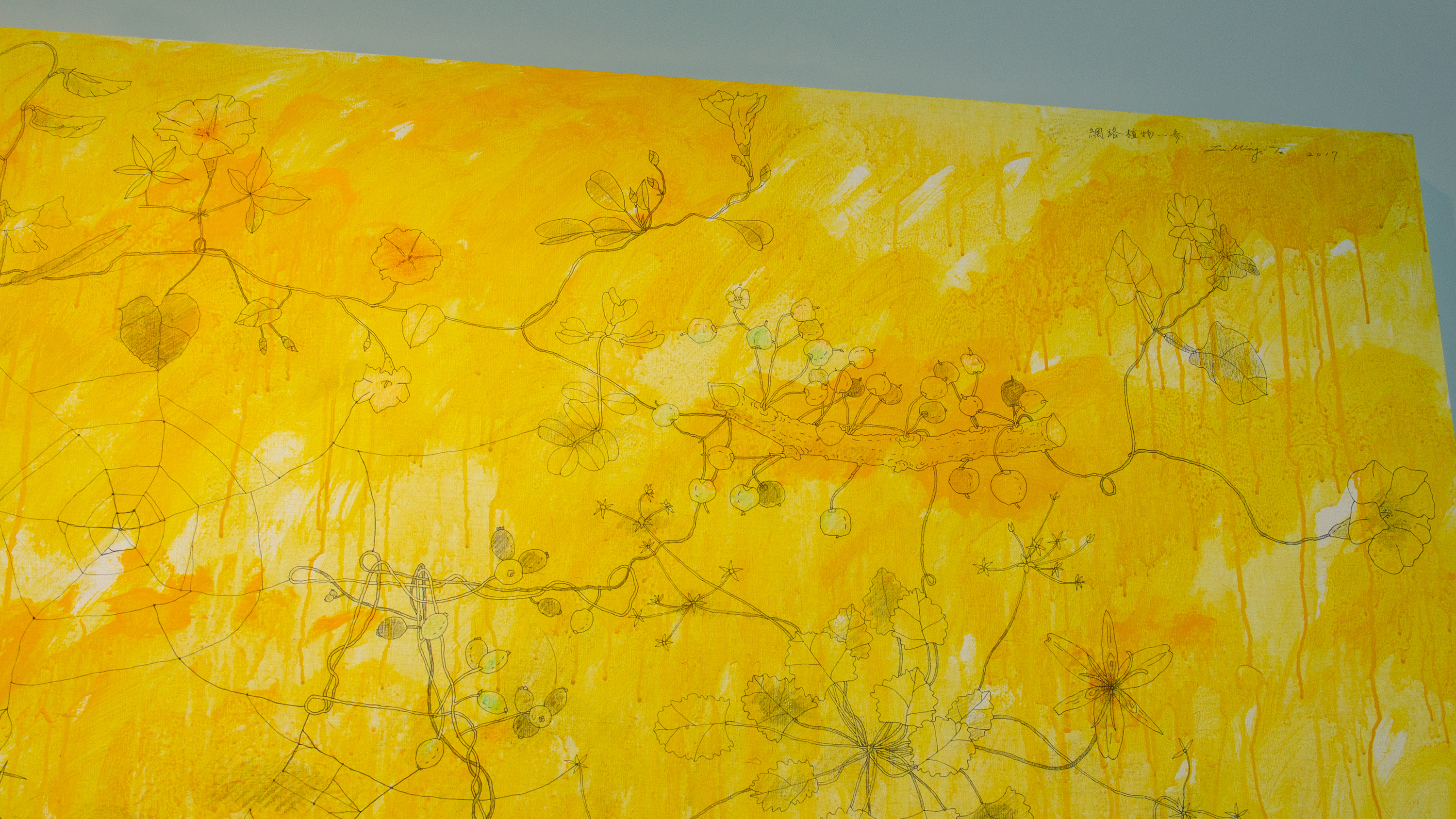
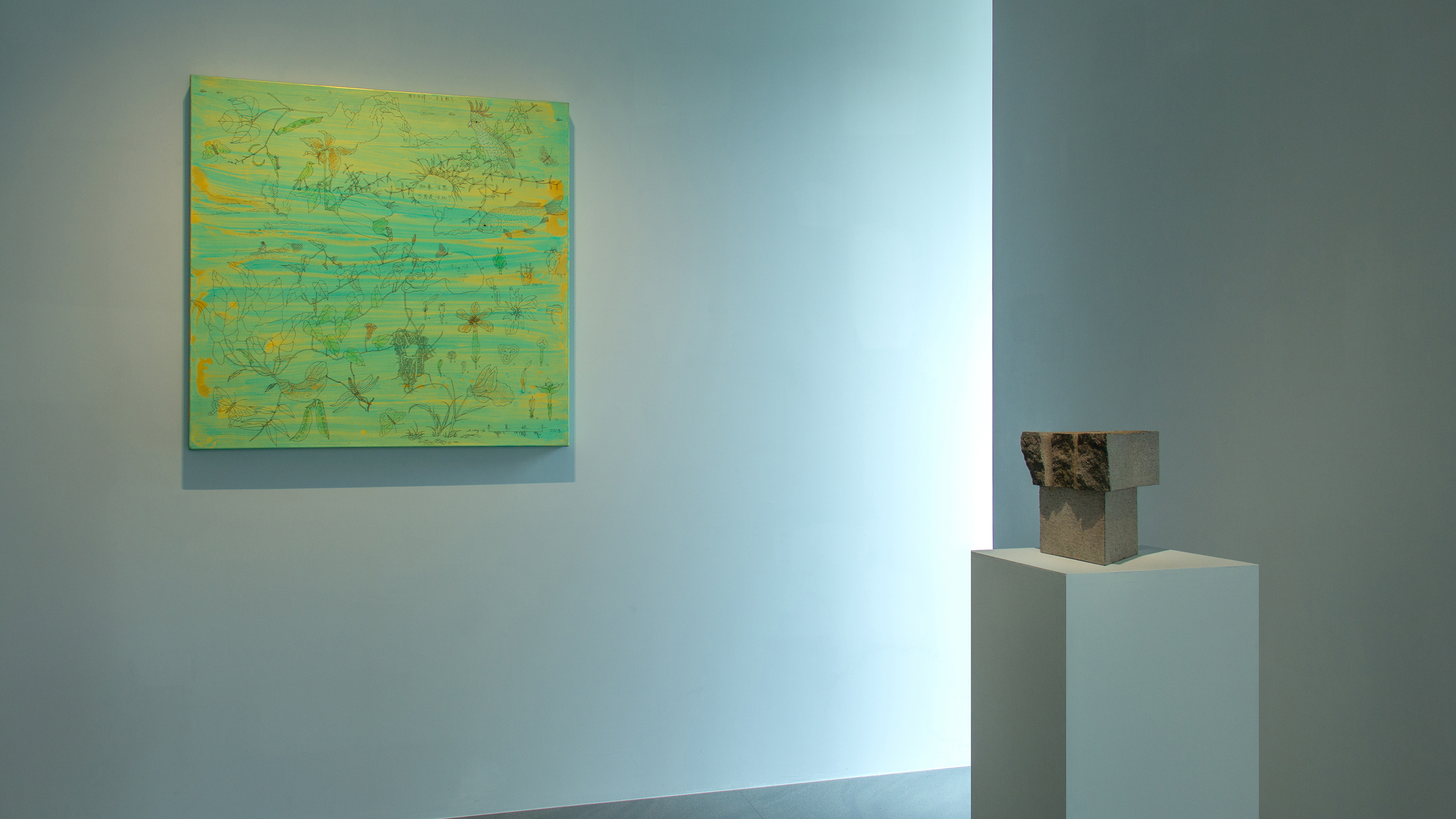
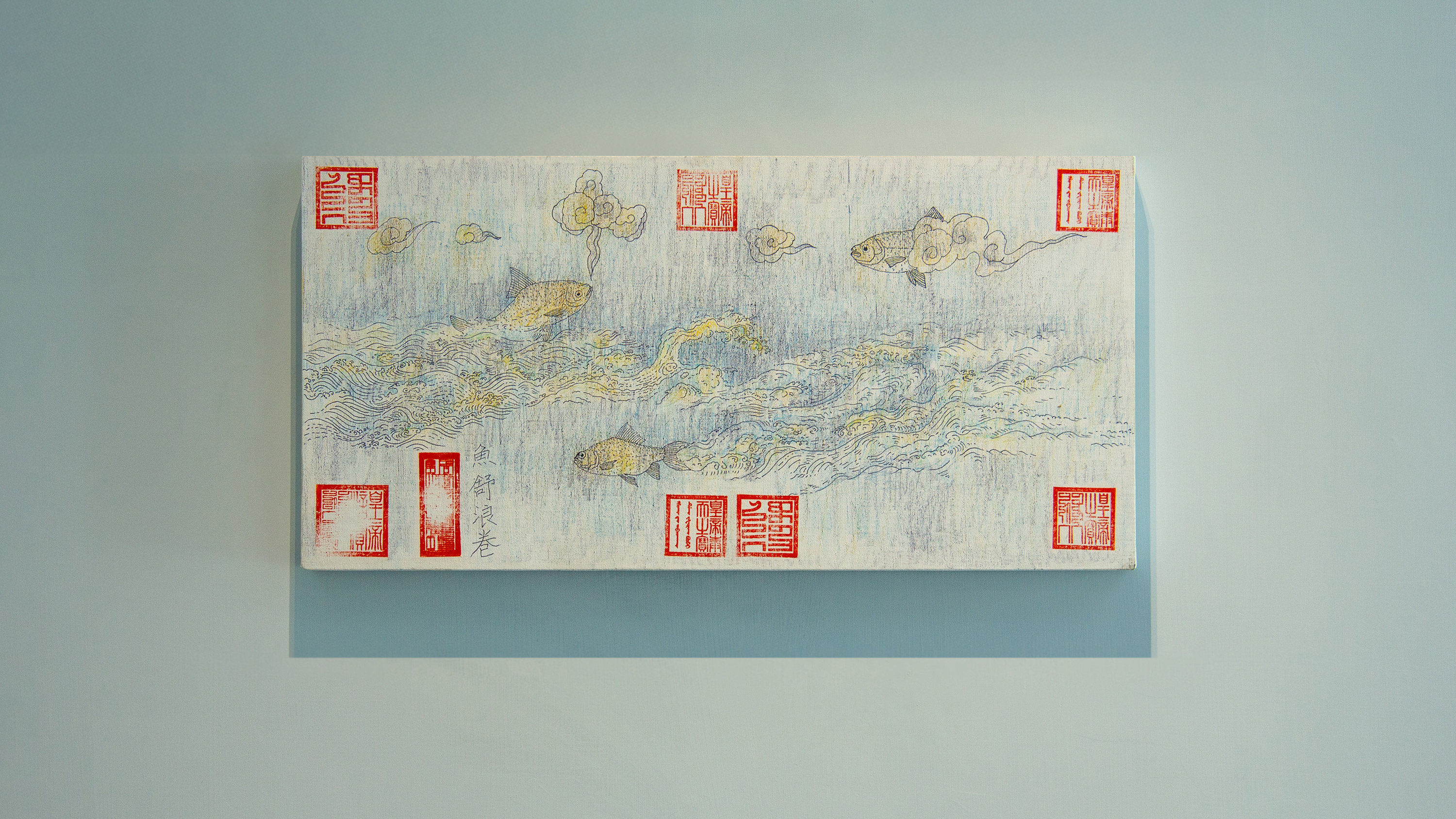
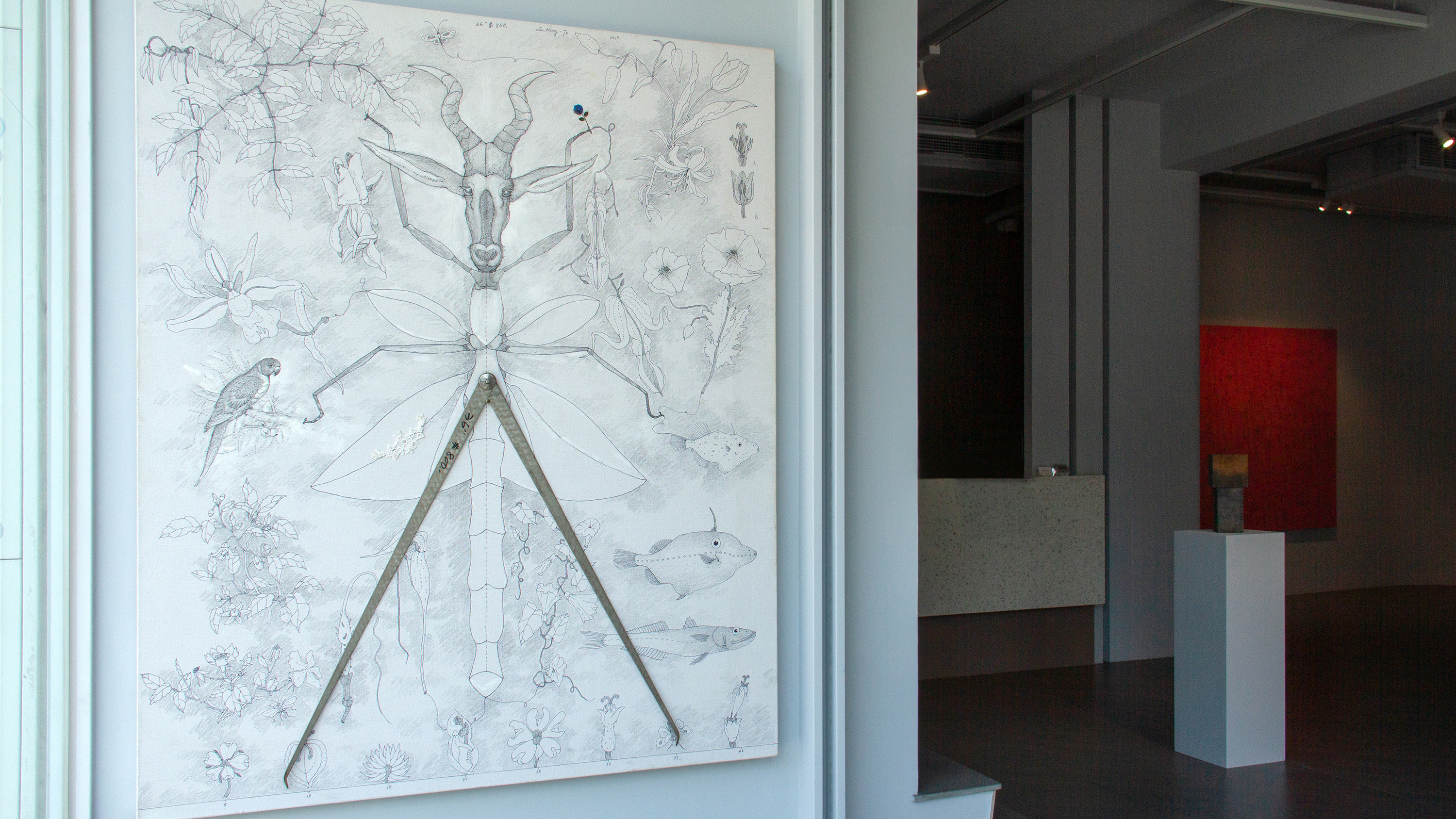
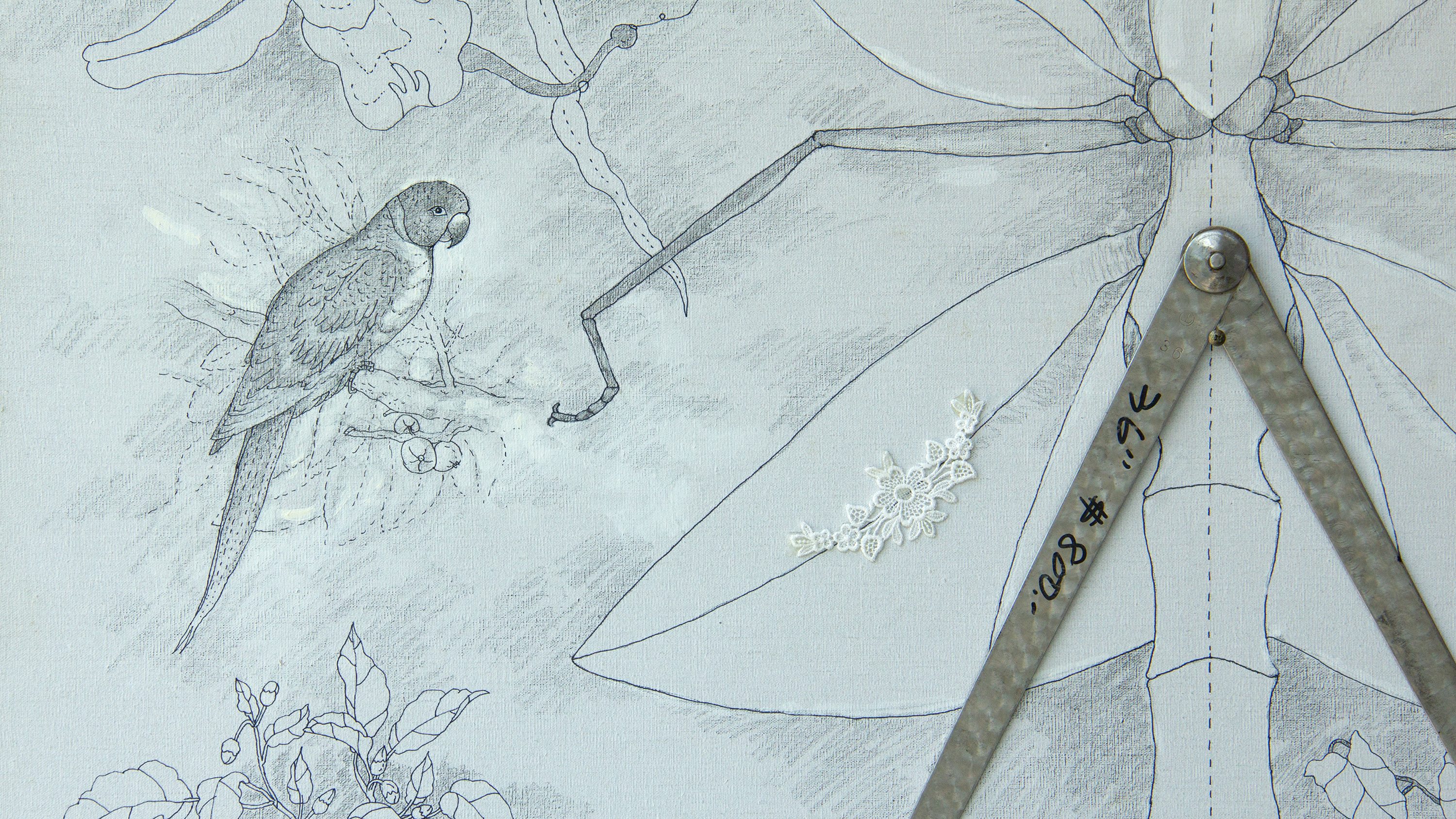
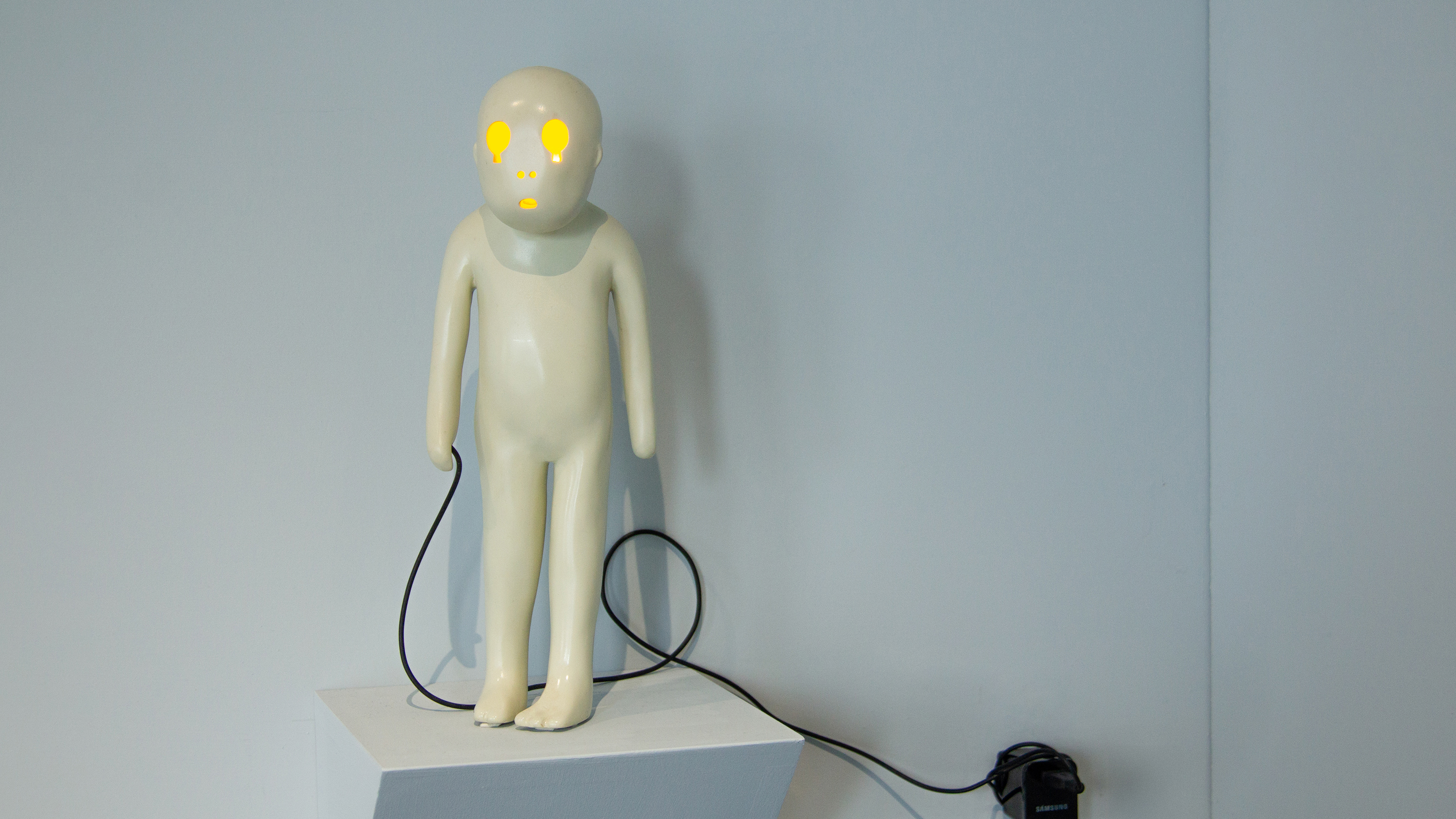
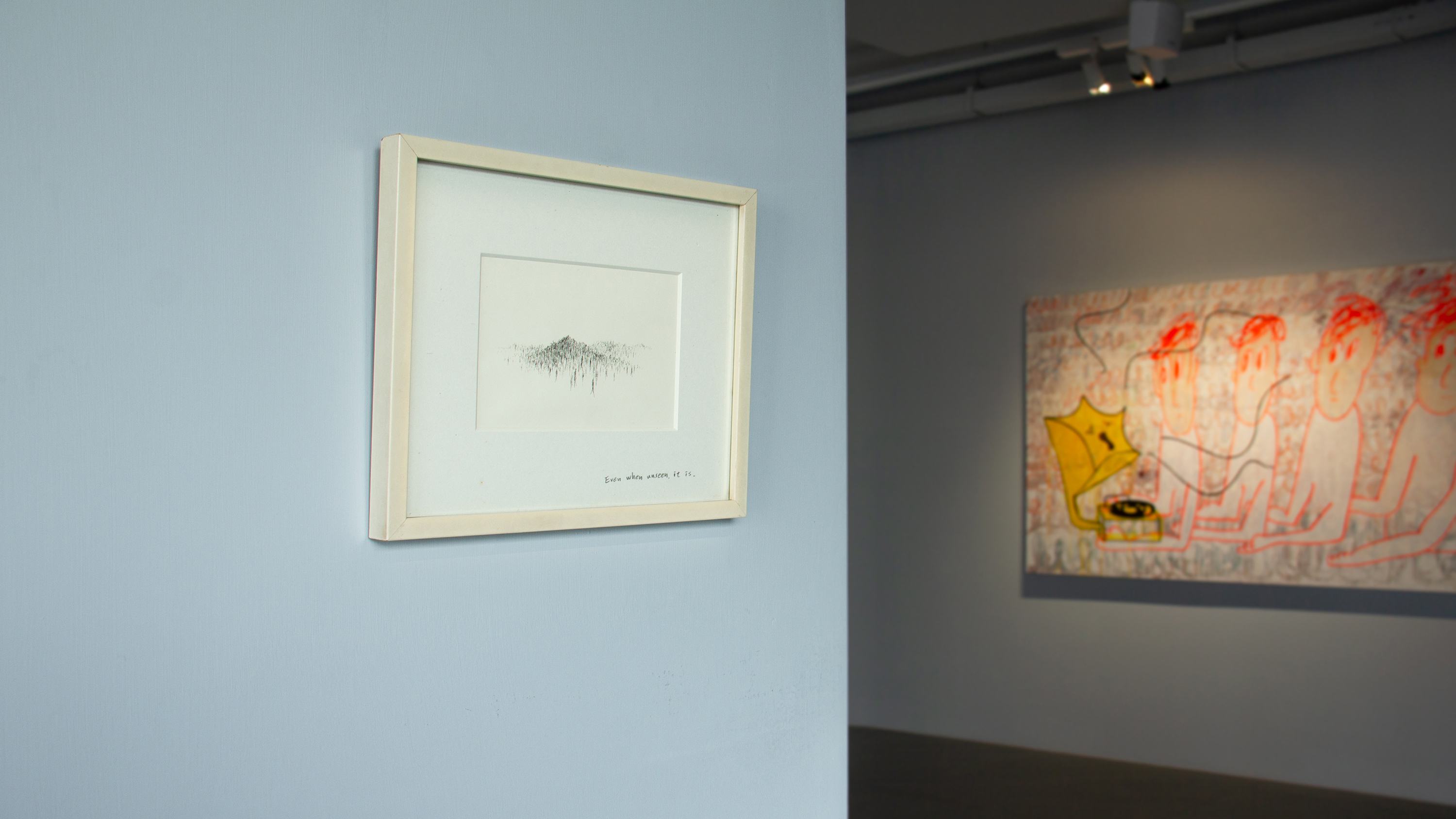
Such a presence, upon entering the work of Lu Ming-Te, gradually takes shape as a structure of images mutually interrelating, displacing, and proliferating from one another. Lu has said of his practice: "All nature is artificial nature." This statement carries within it not only the shifting of forces between the natural and the constructed, but also positions perception within a relational field where boundaries remain ambiguous. Zoological and botanical illustrations, specimen-based visual vocabulary, media symbols, and cultural imagery are appropriated, collaged, and grafted together. What appears at first glance to be an unrestricted visual expansion is in fact threaded through with networks of semantic control and interdependence. As signs unfold through layering, mutation, and growth, the historical and cultural logic of the "specimen" is rarely presented in stable display. Hybridization, camouflage, and mimicry render the image impossible to grasp directly; one cannot immediately determine whether what one sees belongs to an indigenous organism, a technological artifact, or the residue of some social system.

What Lu Ming-Te generates is a displacement arising from within the sign system itself. When an image appears legible yet continues to release multiple, shifting referents, viewing enters a deferred and continually shifting process of interpretation. And it is within this searching and circling, this detour, that one's own formation, personal history, and structures of knowledge are drawn back into motion, gradually evolving into a kind of migration. Across visual cues, cultural memory, and lived experience, another landscape of meaning still in the process of becoming comes into formation. From image to sign, from specimen to system, from the familiar form toward a perceptual territory not yet fully named.

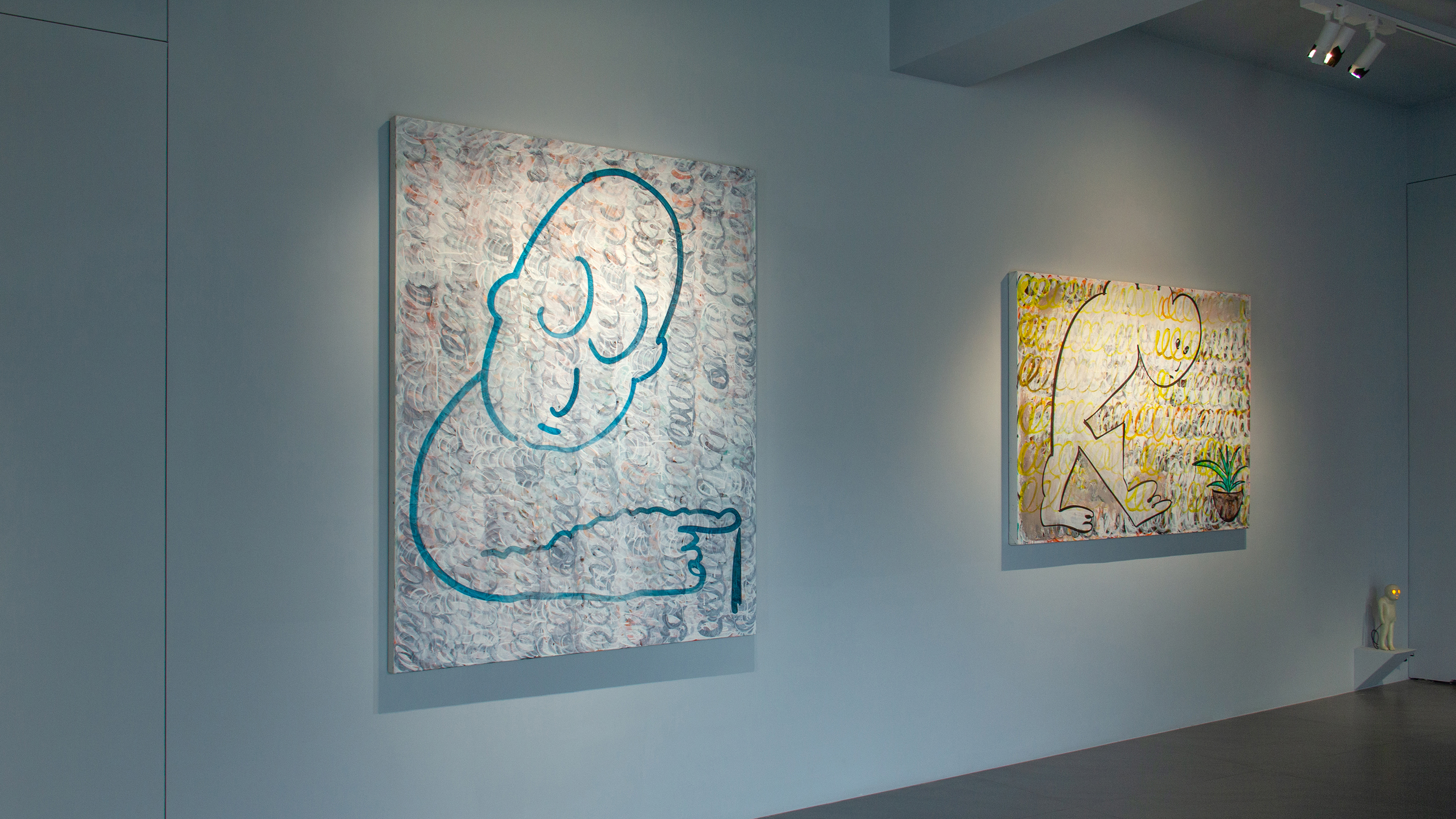
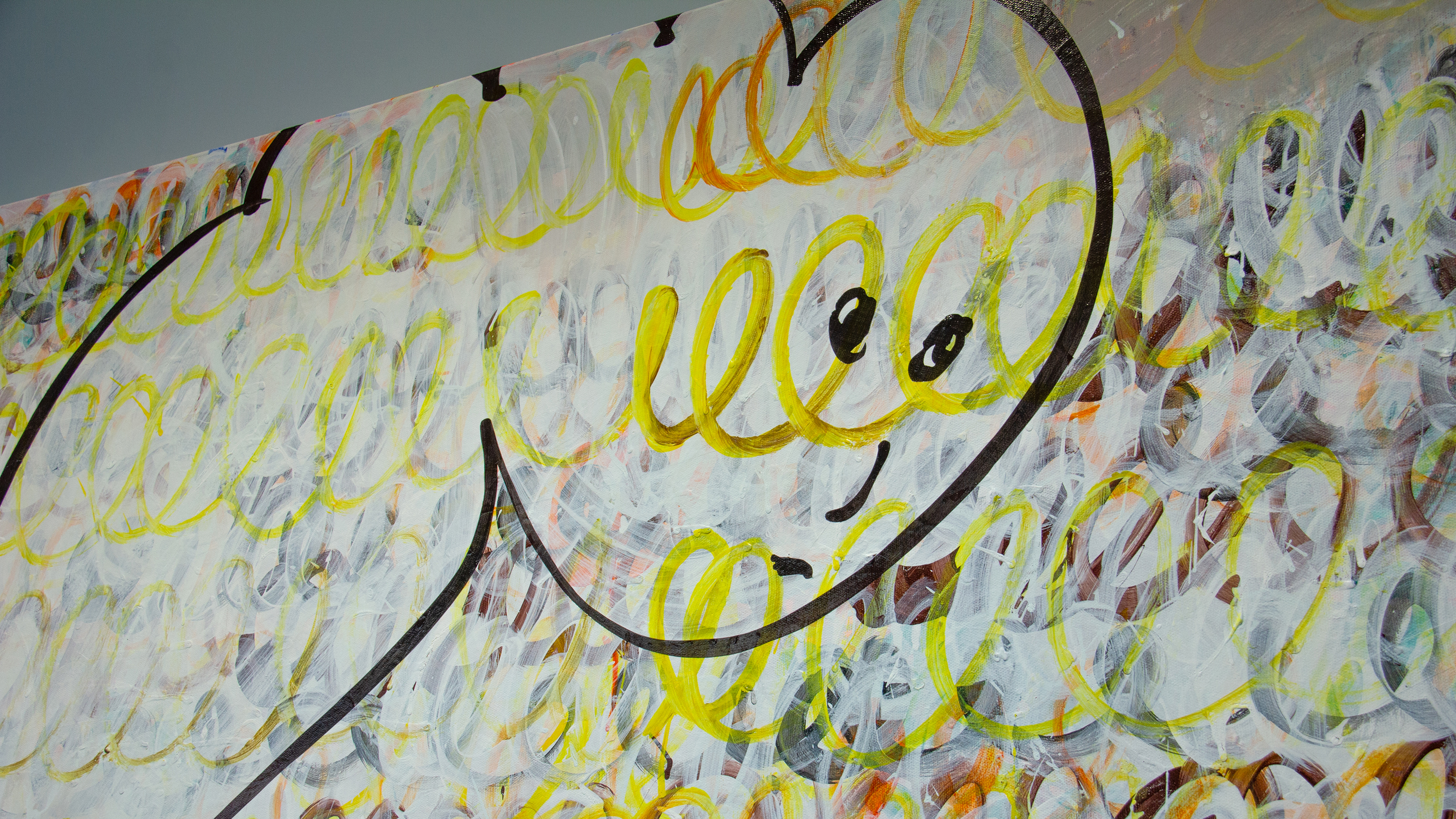
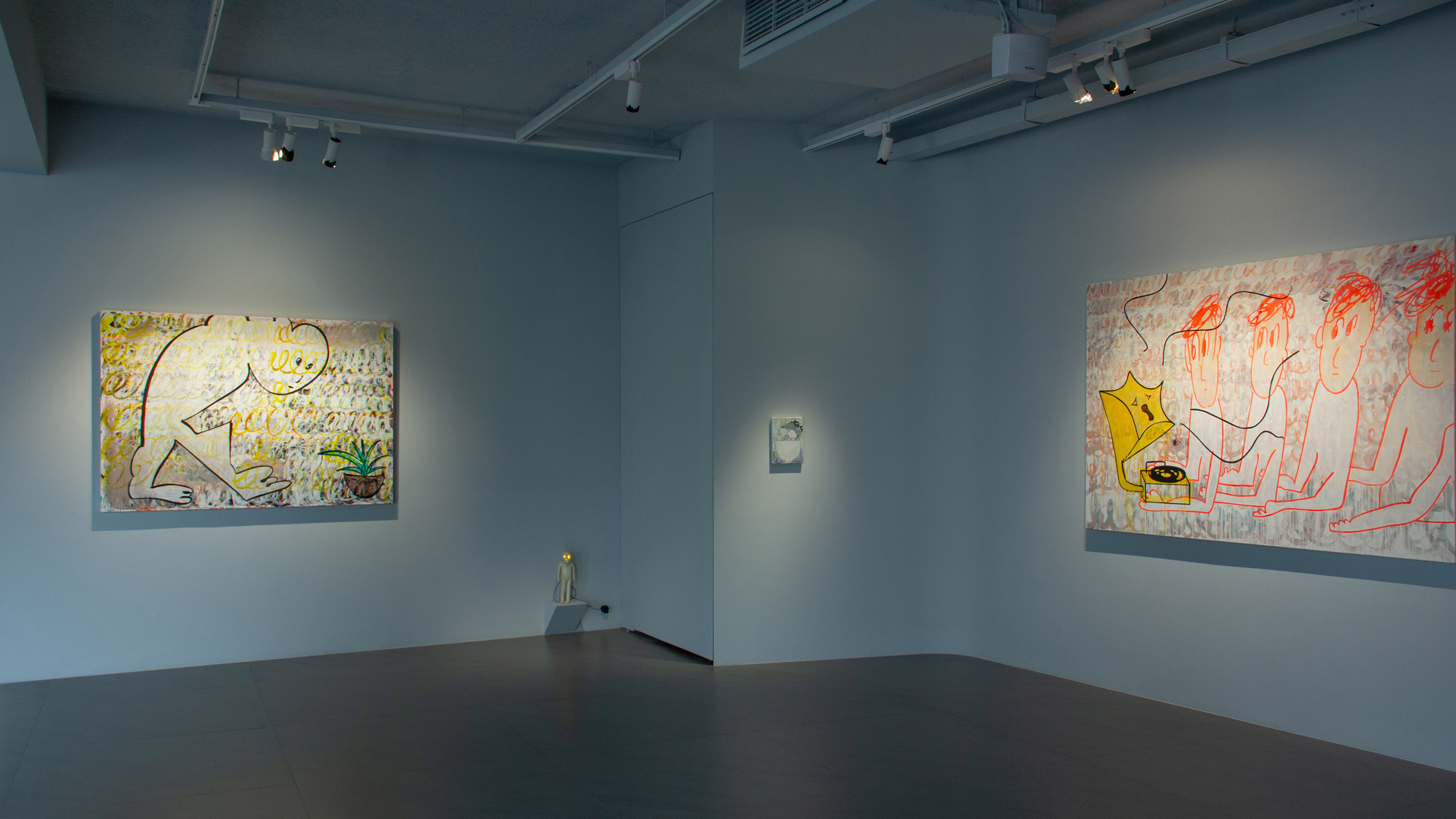
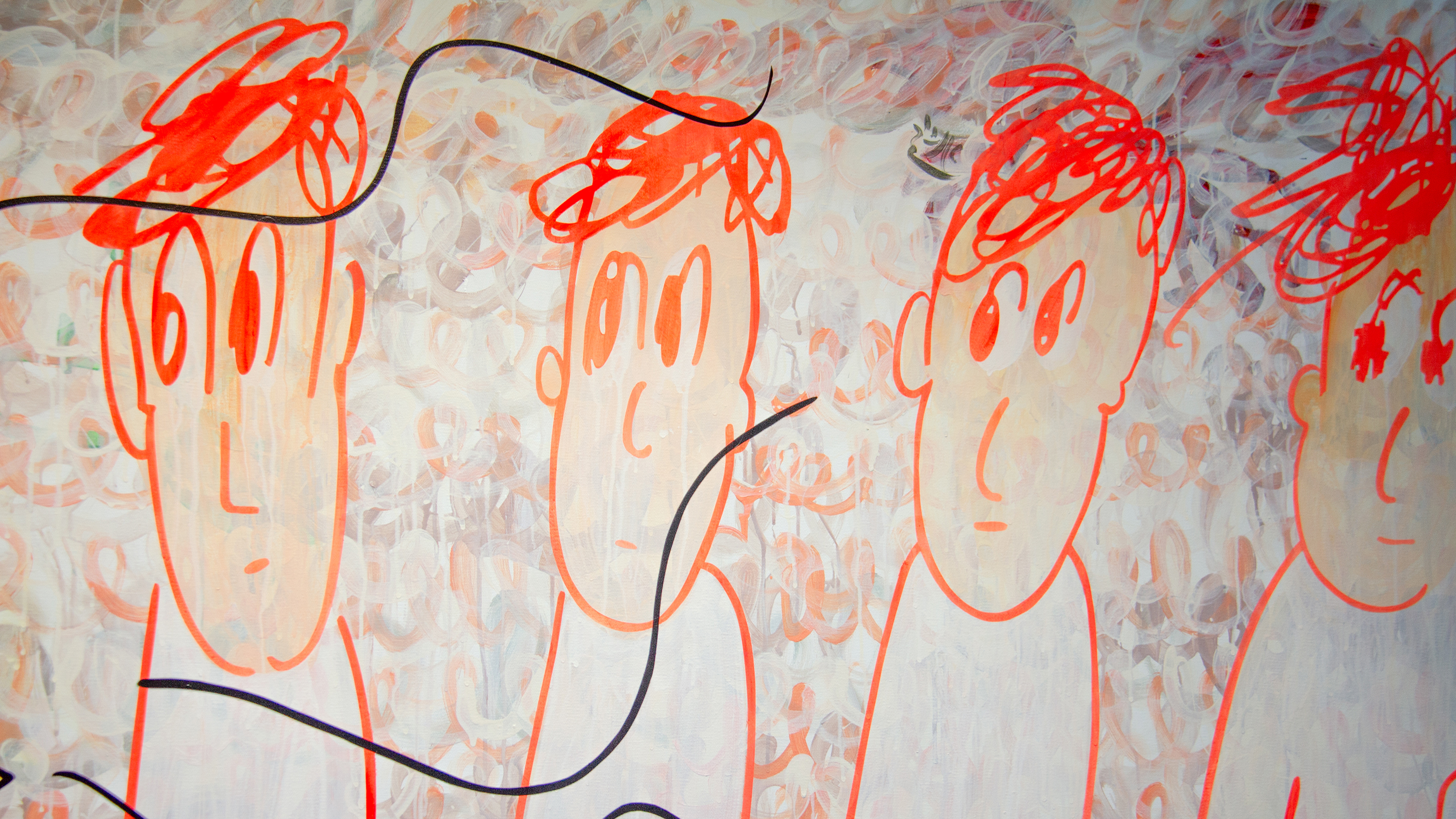
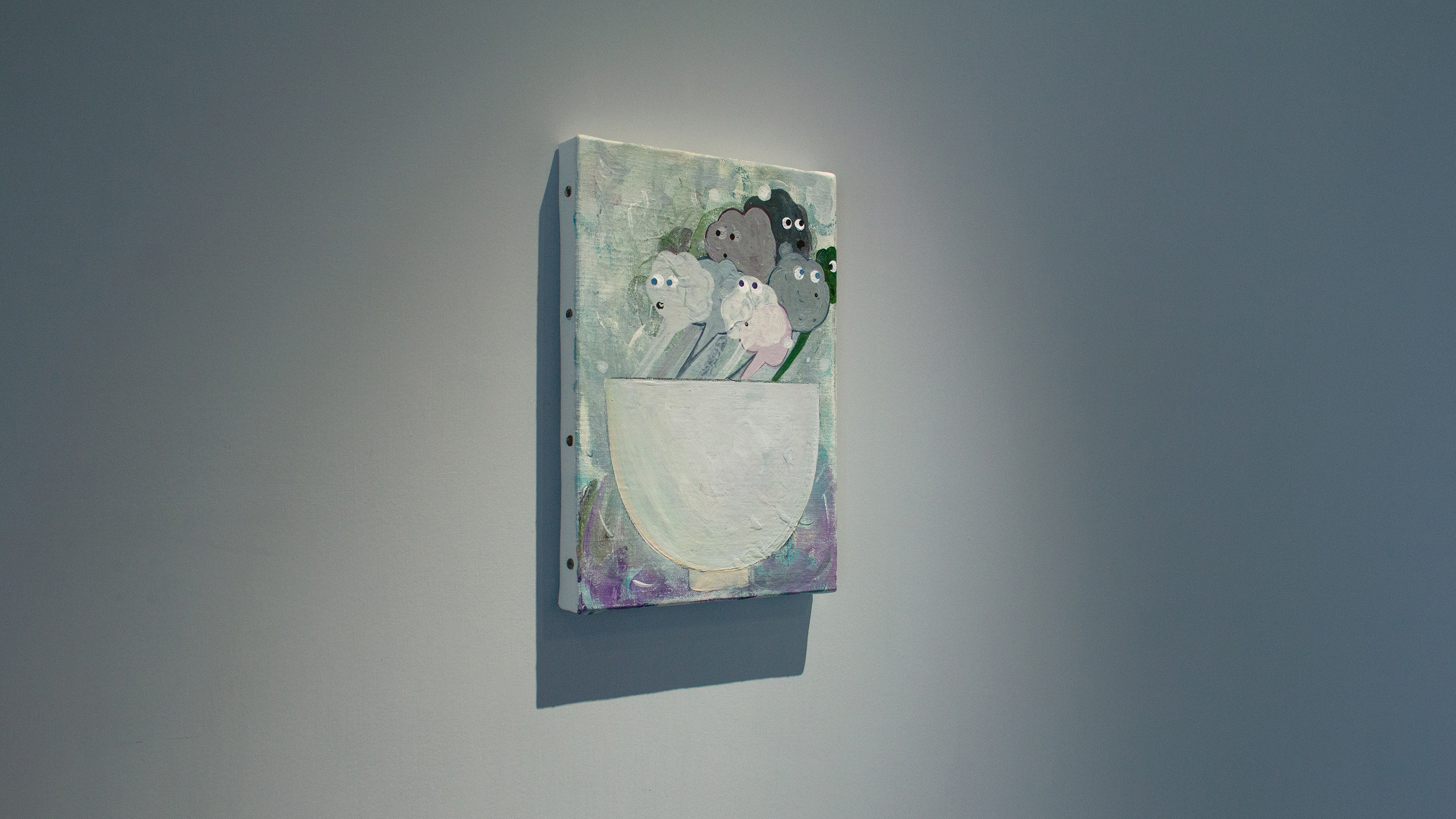
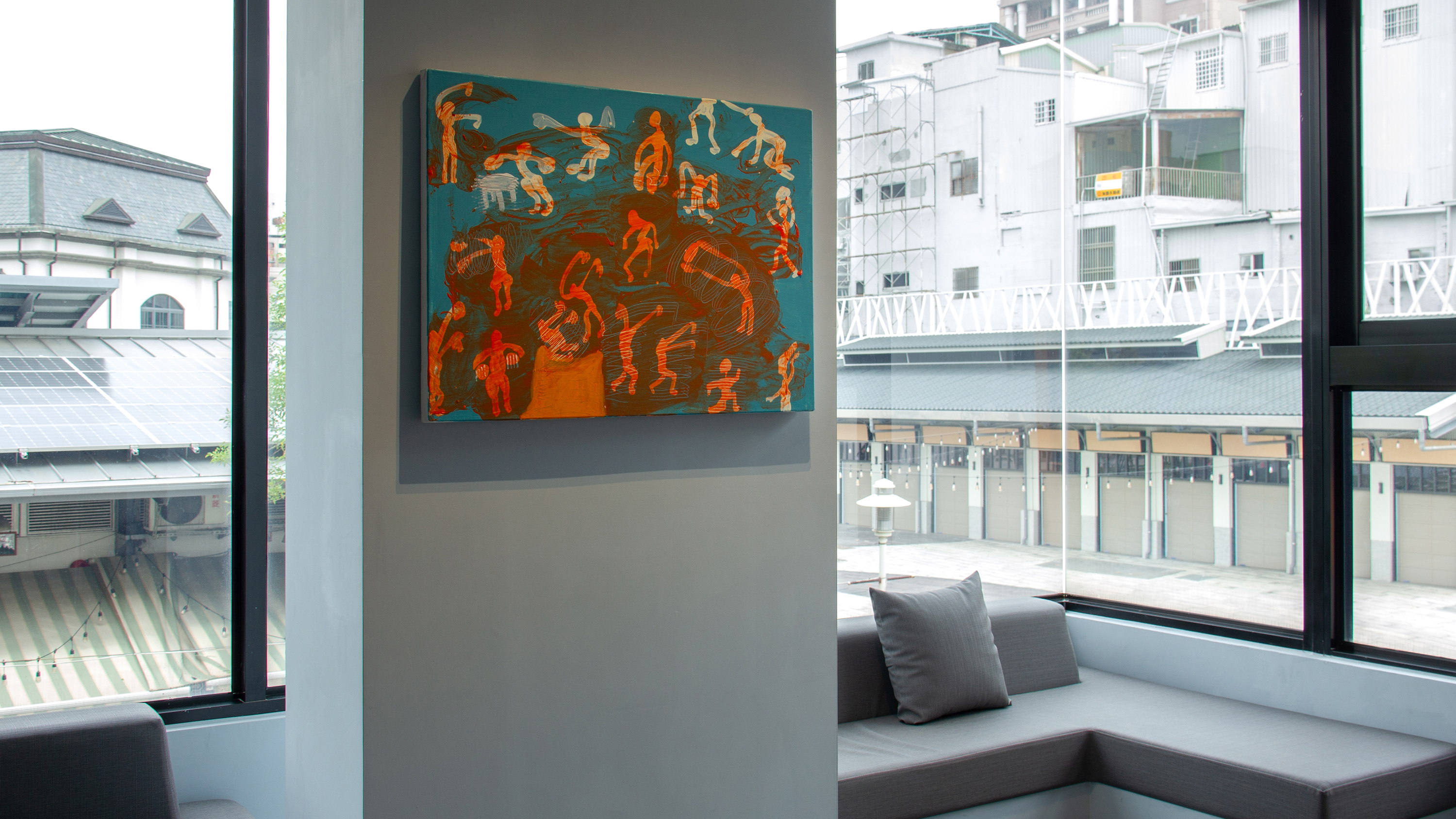
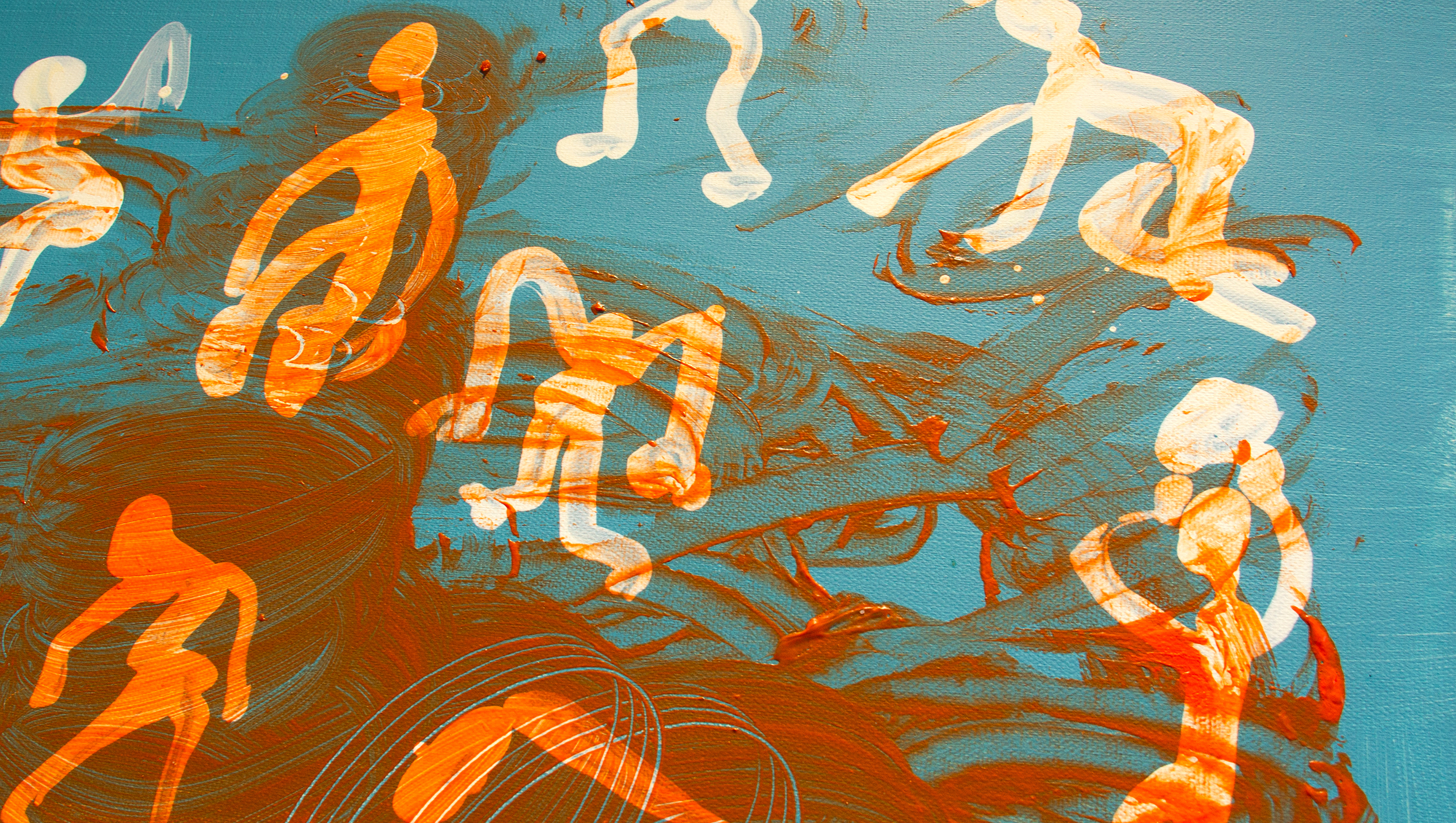
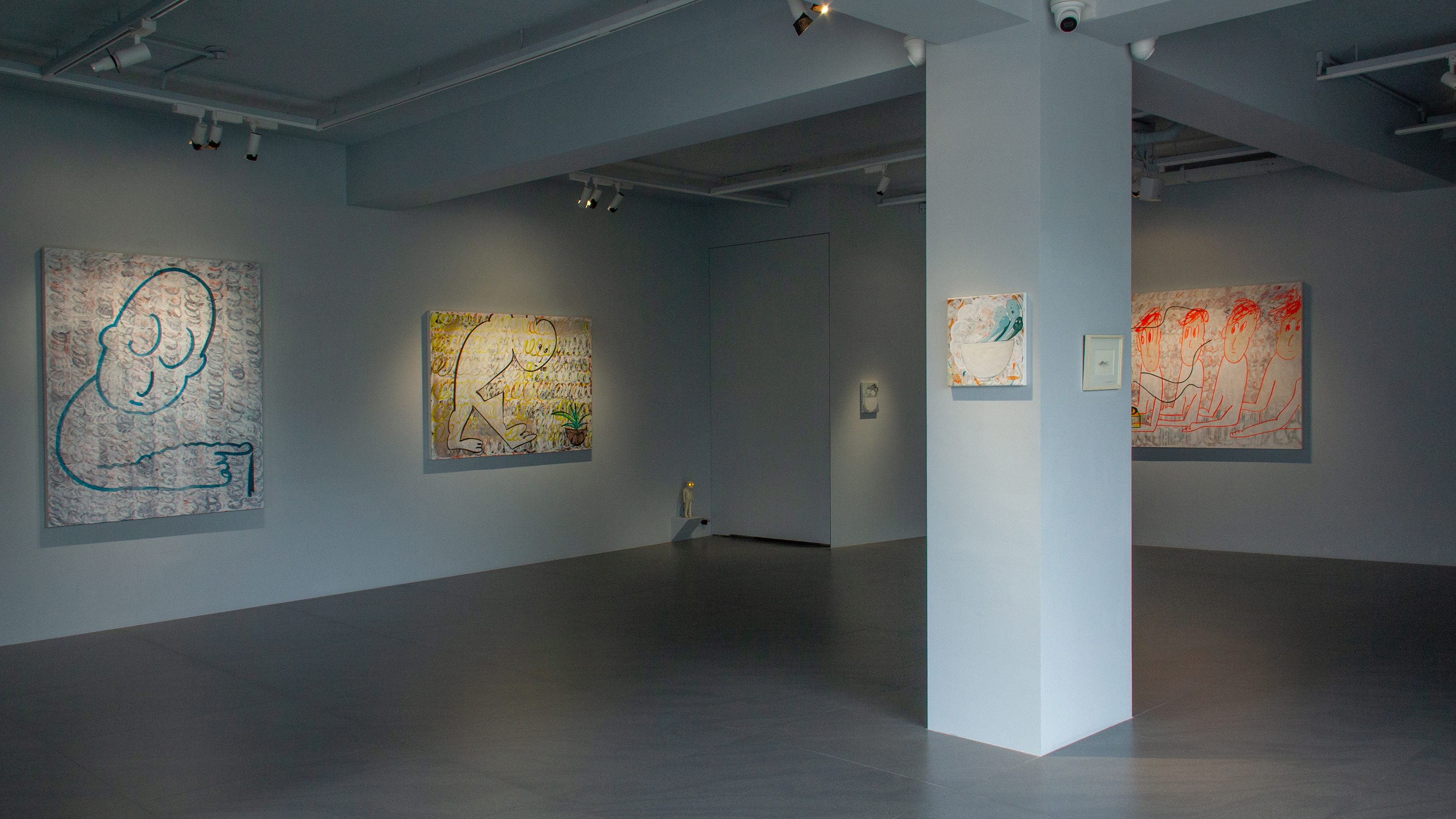
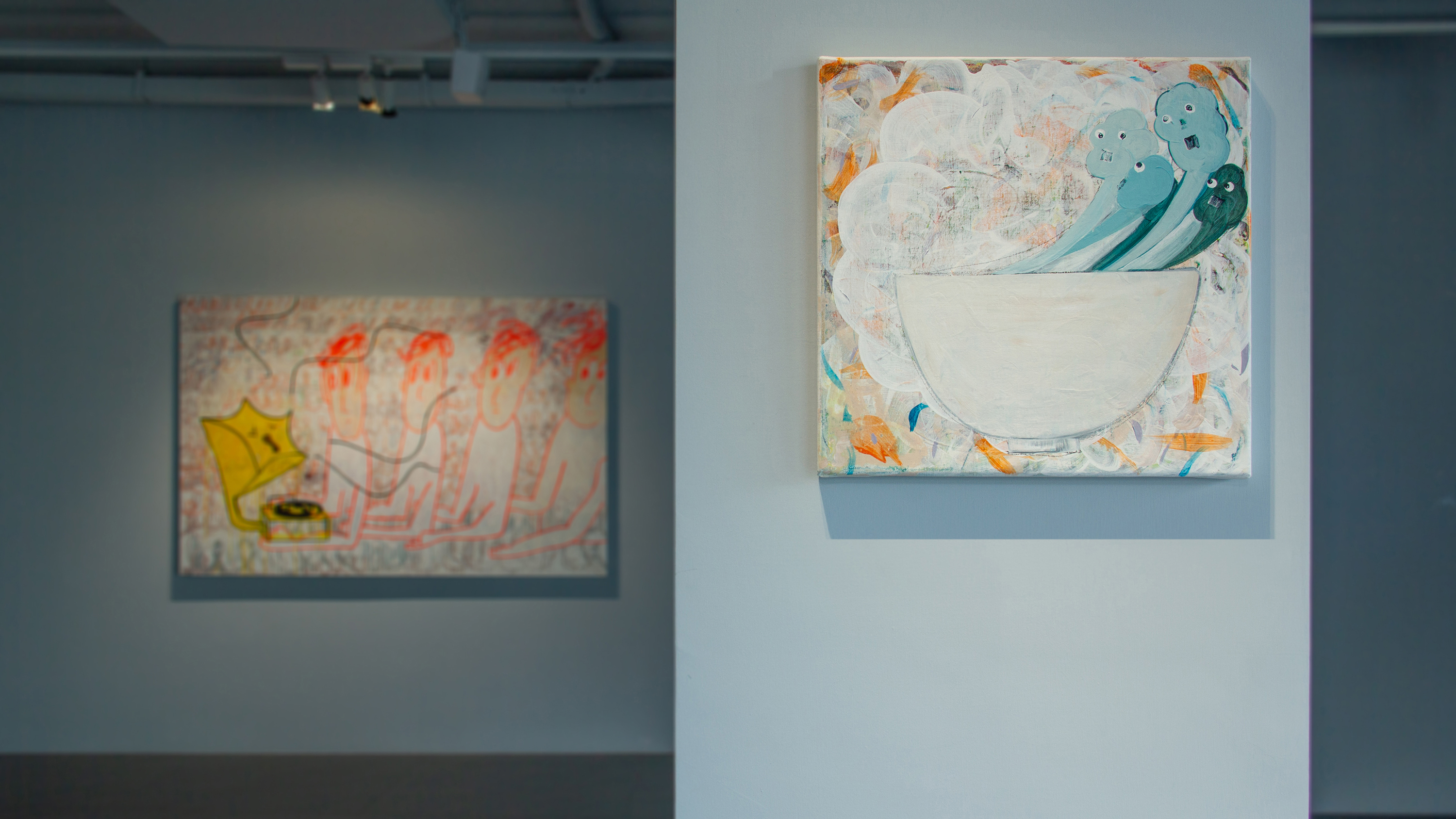
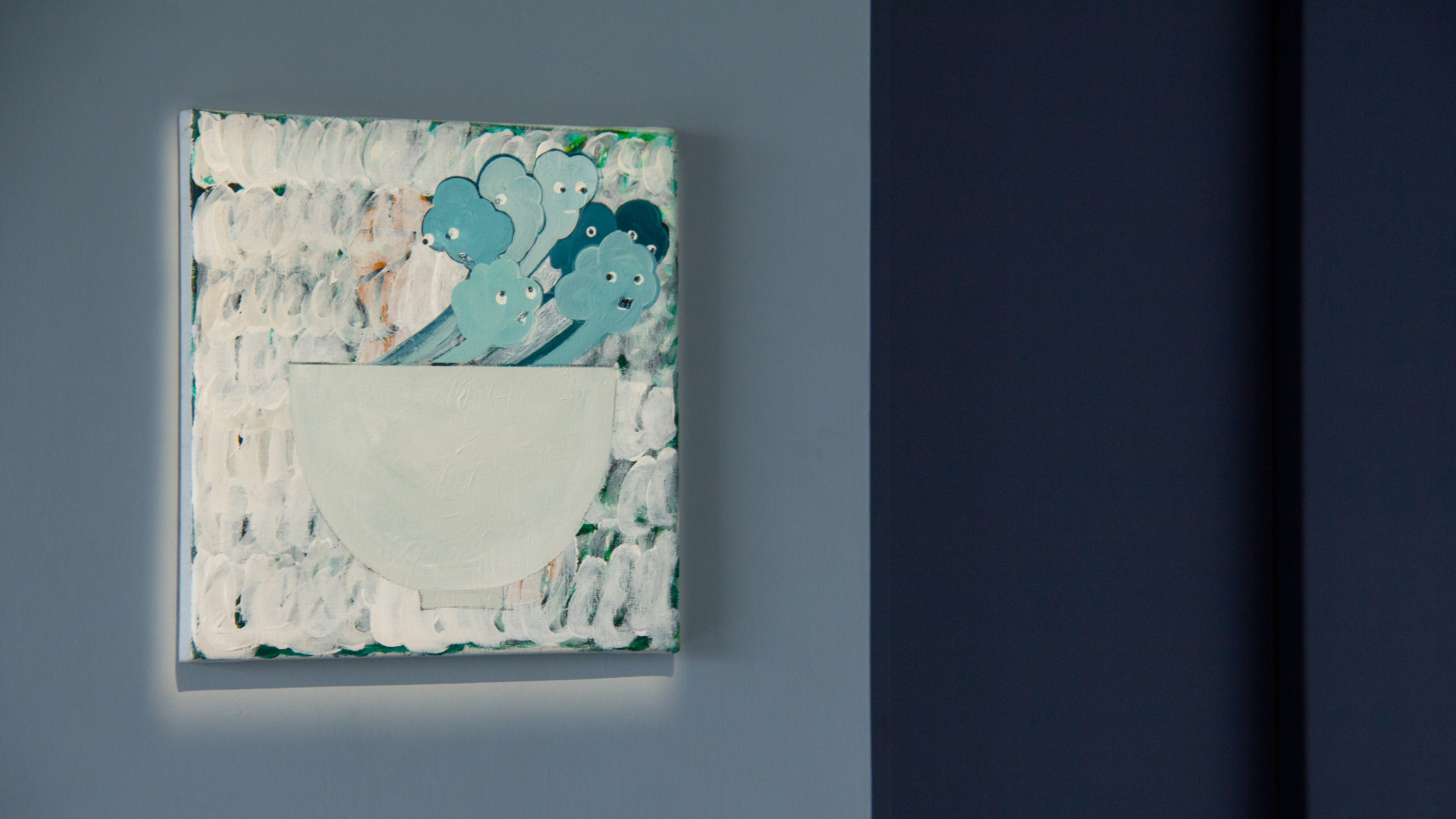
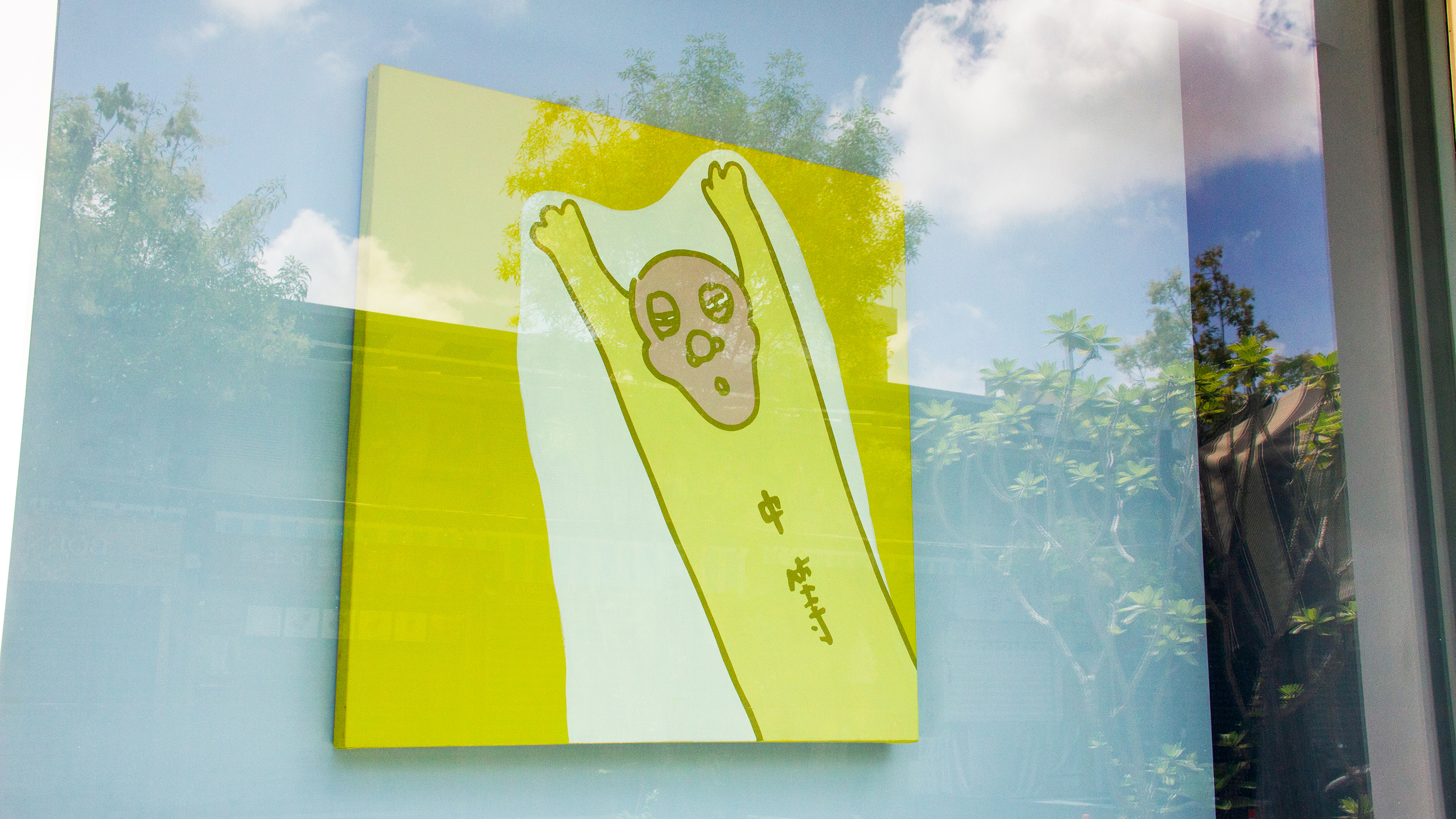
The act of scribbling, or perhaps more accurately, smearing and marking, has always been at once conspicuously outward and profoundly interior. Those expansive lines are often the first marks to reach the world before an inner emotion has yet taken form. In the work of Hsiao Chu-Fang, color does not simply serve form or narrative; it functions more as an emotional climate. The flat applications of paint, layered hues, and tactile handling of the painted surface lend the work an atmosphere of something repeatedly covered over, pushed aside, and temporarily suspended in stillness.

Everyday expressions, bodies, and scenes are nudged slightly from their expected positions; emotion is no longer sharply in focus. This drift gives rise to a kind of tender yet acute deviation in the picture plane. Through the loosening of line, the slightly misaligned facial expressions, the subtle bodily dissonance, and a color palette that verges on childlike yet carries an undertow of unease, the familiar moment undergoes a quiet dislocation. The softness of this deviation lies in the fact that it does not push the viewer away, but invites entry through humor, intimacy, and a quality that comes close to endearing. Its acuity lies in the way these apparently light, loose surfaces so acutely catch the instant before an emotion has been spoken, before consciousness has been organized. It does not point outward toward the other, but allows us to see how our own ways of feeling the world can crack open within small imbalances. And that crack is not disorder; it is more like an aperture through which perception breathes again.

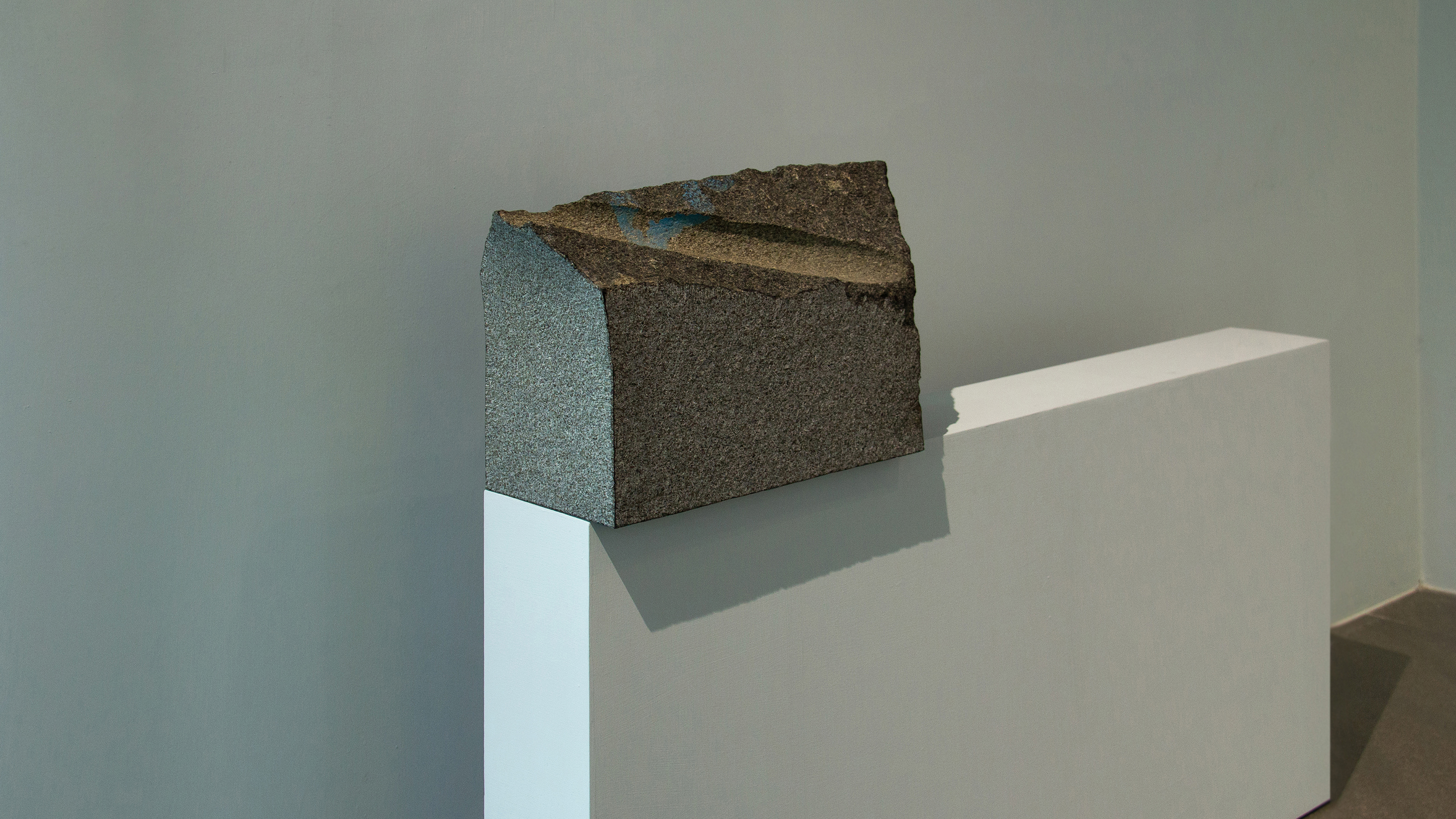
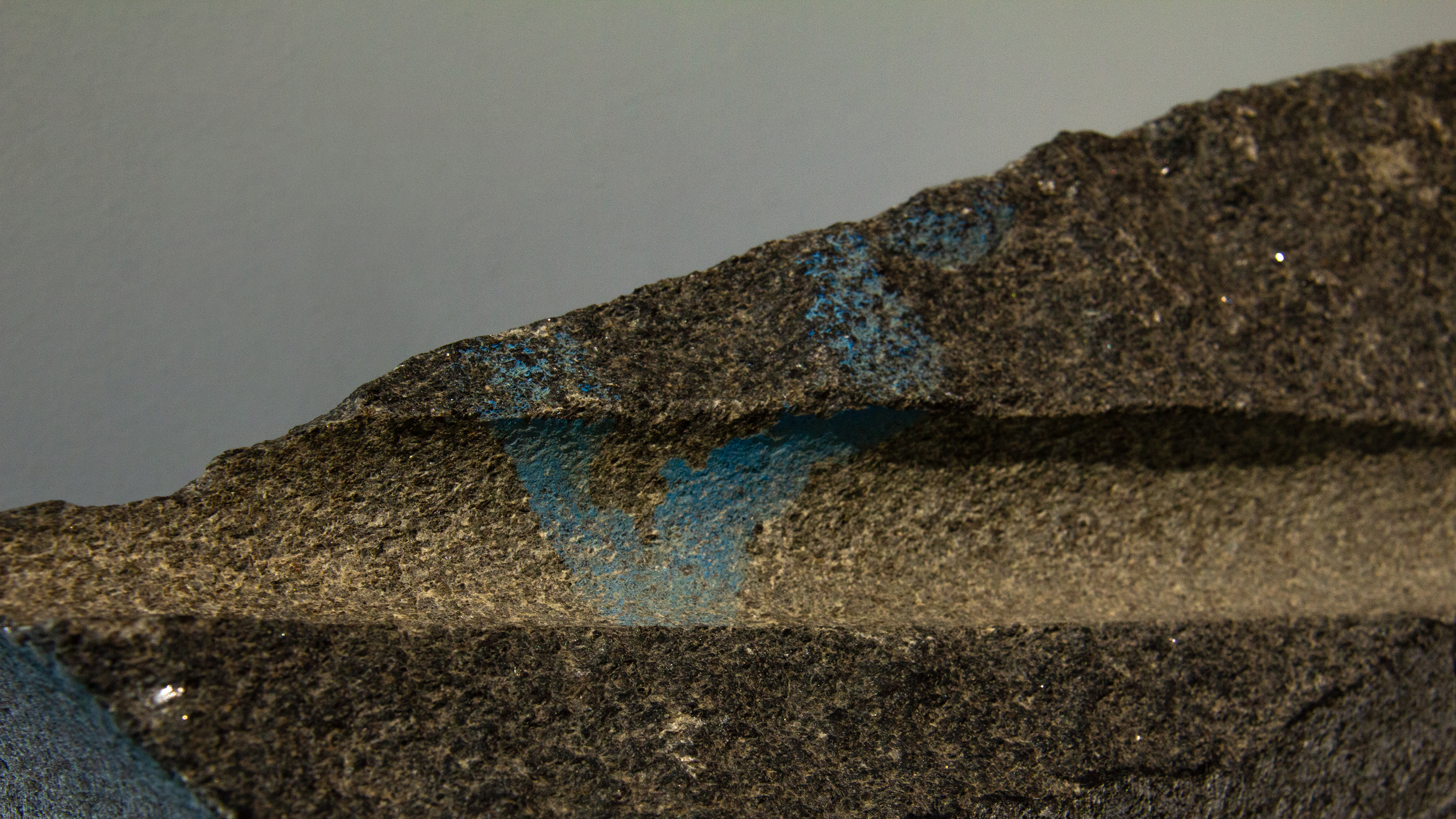
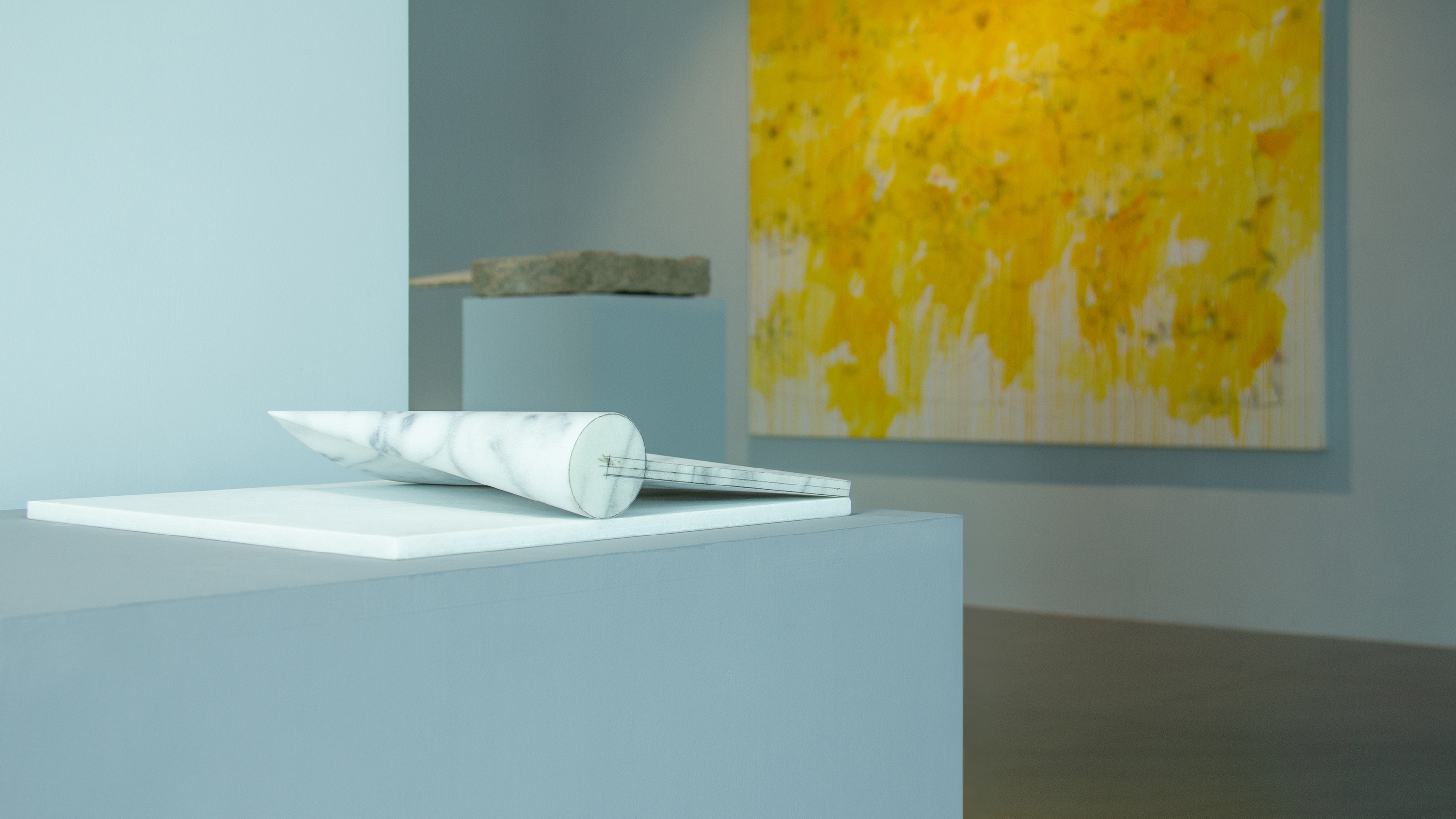
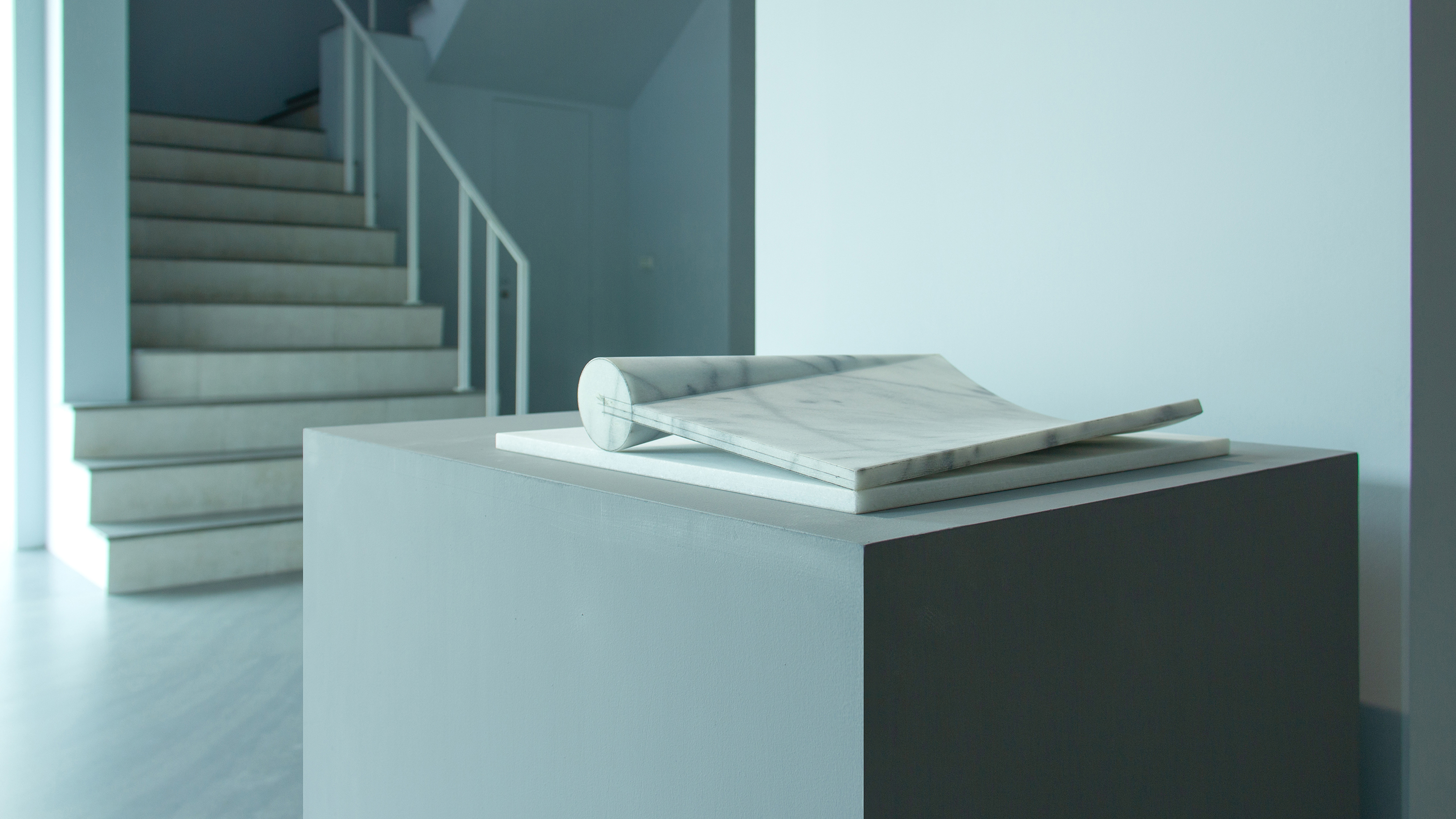
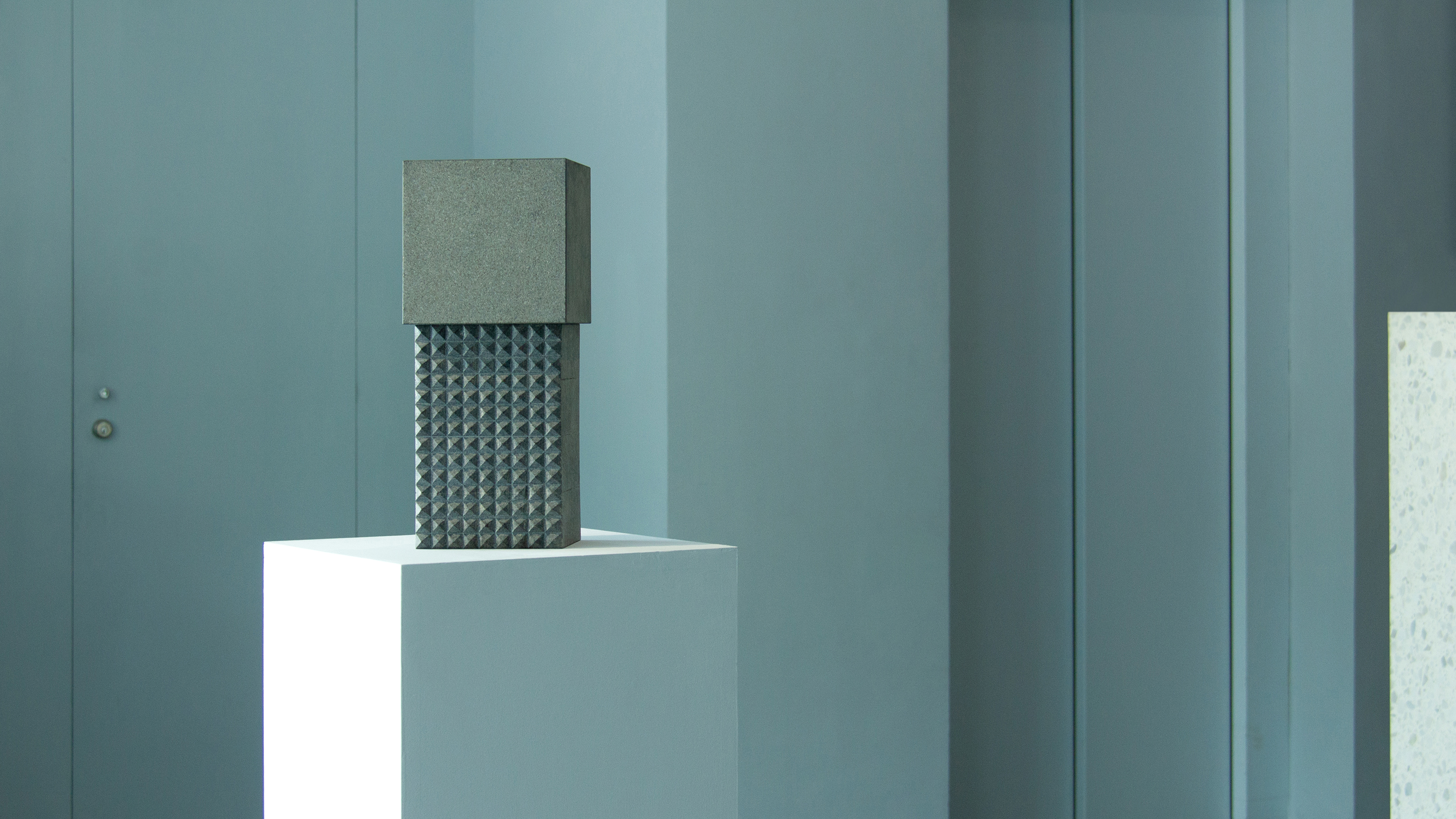
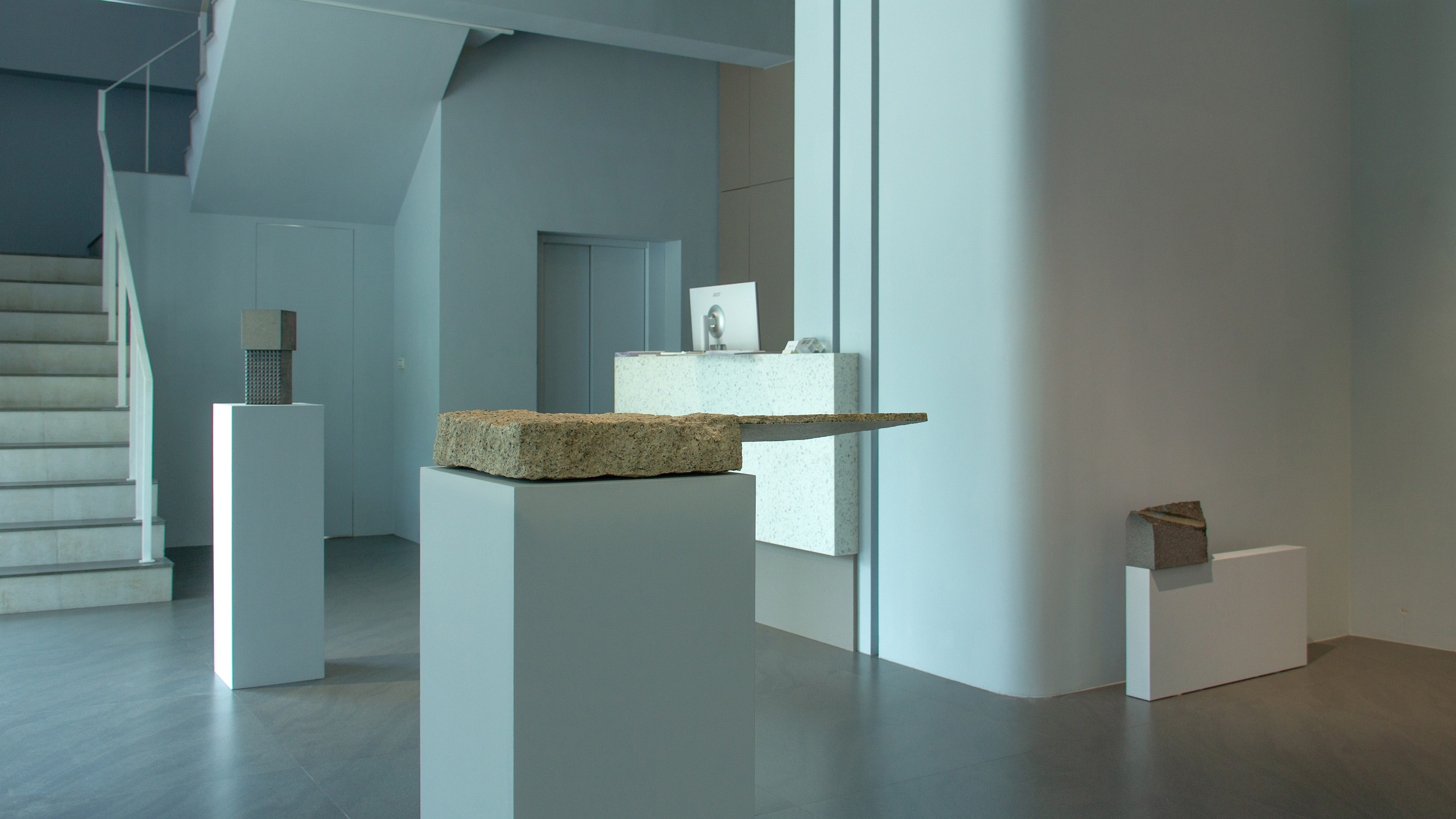
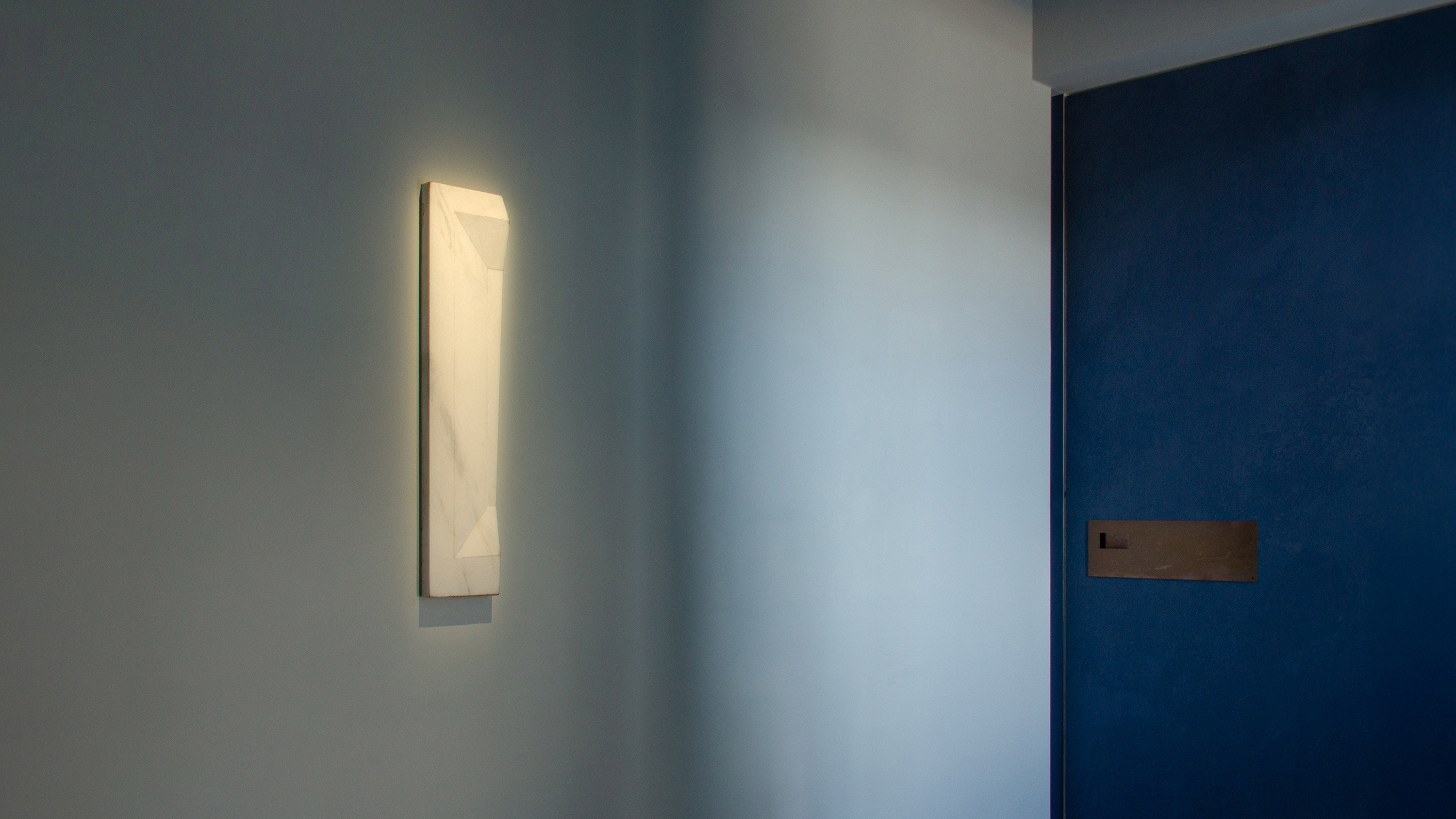
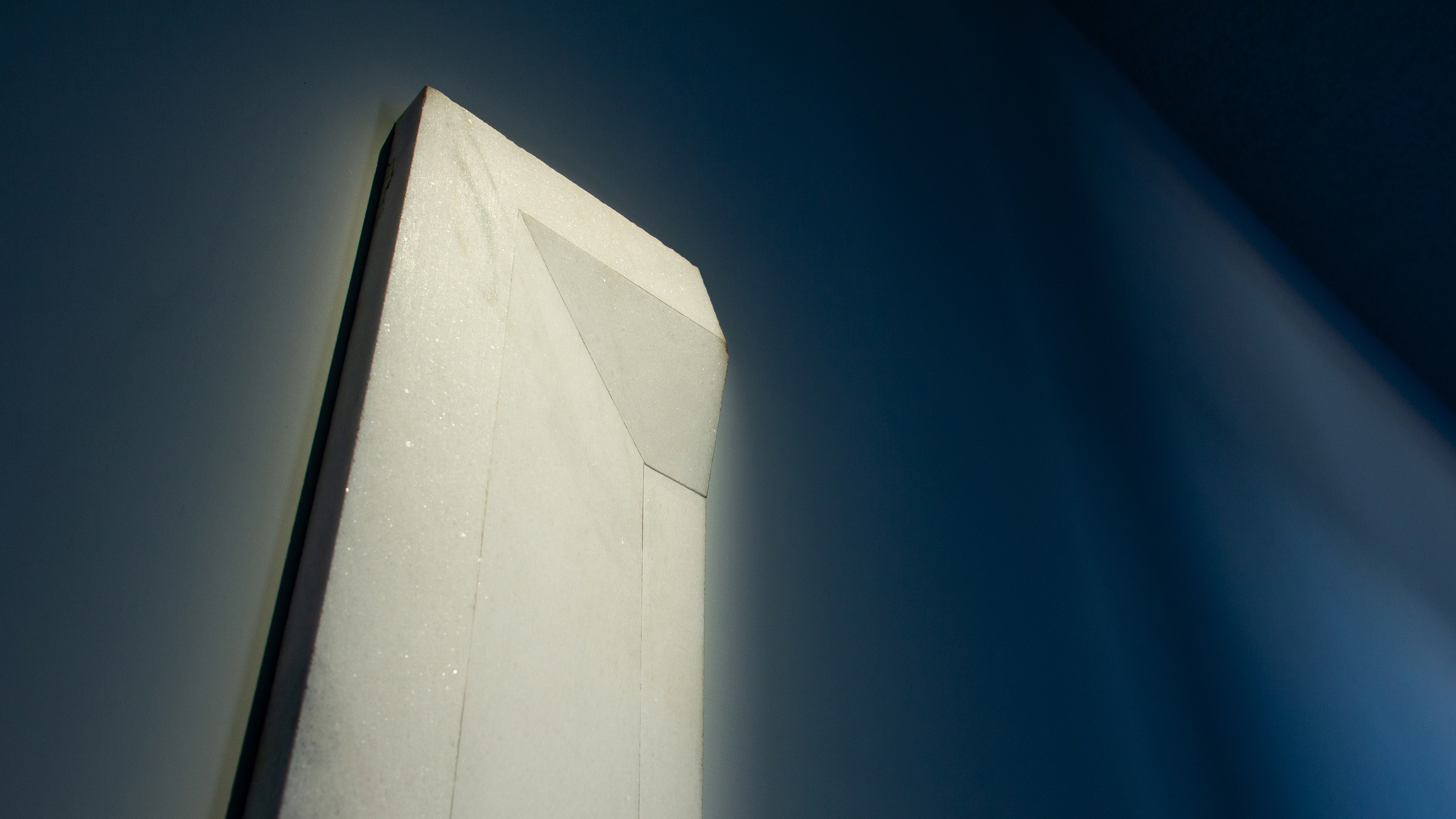
There is a deeply poetic proposition embedded in the tradition of stone carving: the image is not imposed upon the stone by the artist, but already lies latent within the material, waiting to be recognized and released. Sculpture, then, is understood as an act of subtraction, removing what is superfluous from the stone's dense gravity, allowing a form not yet present to surface from weight, time, and resistance. And yet in the work of Chan Shih-Tai, this idea no longer holds.

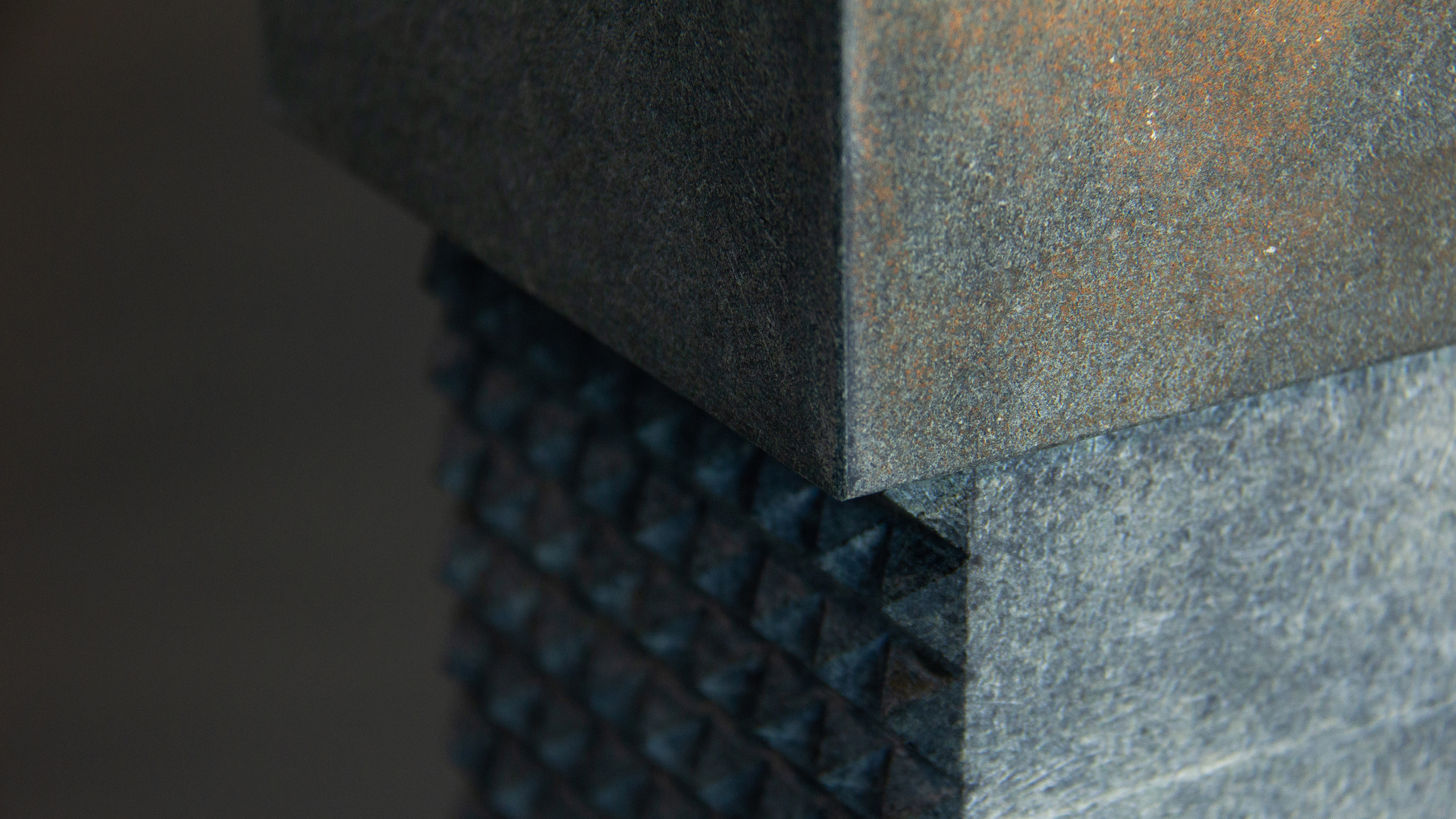
The pencil lines Chan leaves visible are not merely auxiliary traces from the process of making; they function instead as deliberately preserved markers of time and space. They indicate that the form was once measured, conceived, and approached, yet was never fully driven toward completion. This is a way of allowing perception to remain within the material, while also serving as a record of the artist's actions and thought, preserving a process of sustained observation, of tentative gesture and deliberate pause. The pencil lines hold the stone ajar, never fully sealed into the condition of sculpture. The carved stone is no longer the teleological result of a singular shaping act; it becomes a continuous, unresolved proposition. The traces not yet removed by the chisel keep the work suspended between raw stone, working sketch, and finished sculpture, making us aware that emergence does not necessarily come from forceful form-giving. The work's potency lies in its very refusal to presuppose a clear point of entry; it allows the material to retain dimensions that cannot be entirely translated, making of that remainder an aesthetic condition in its own right: a way of dwelling and coexisting with time, mass, and materiality.

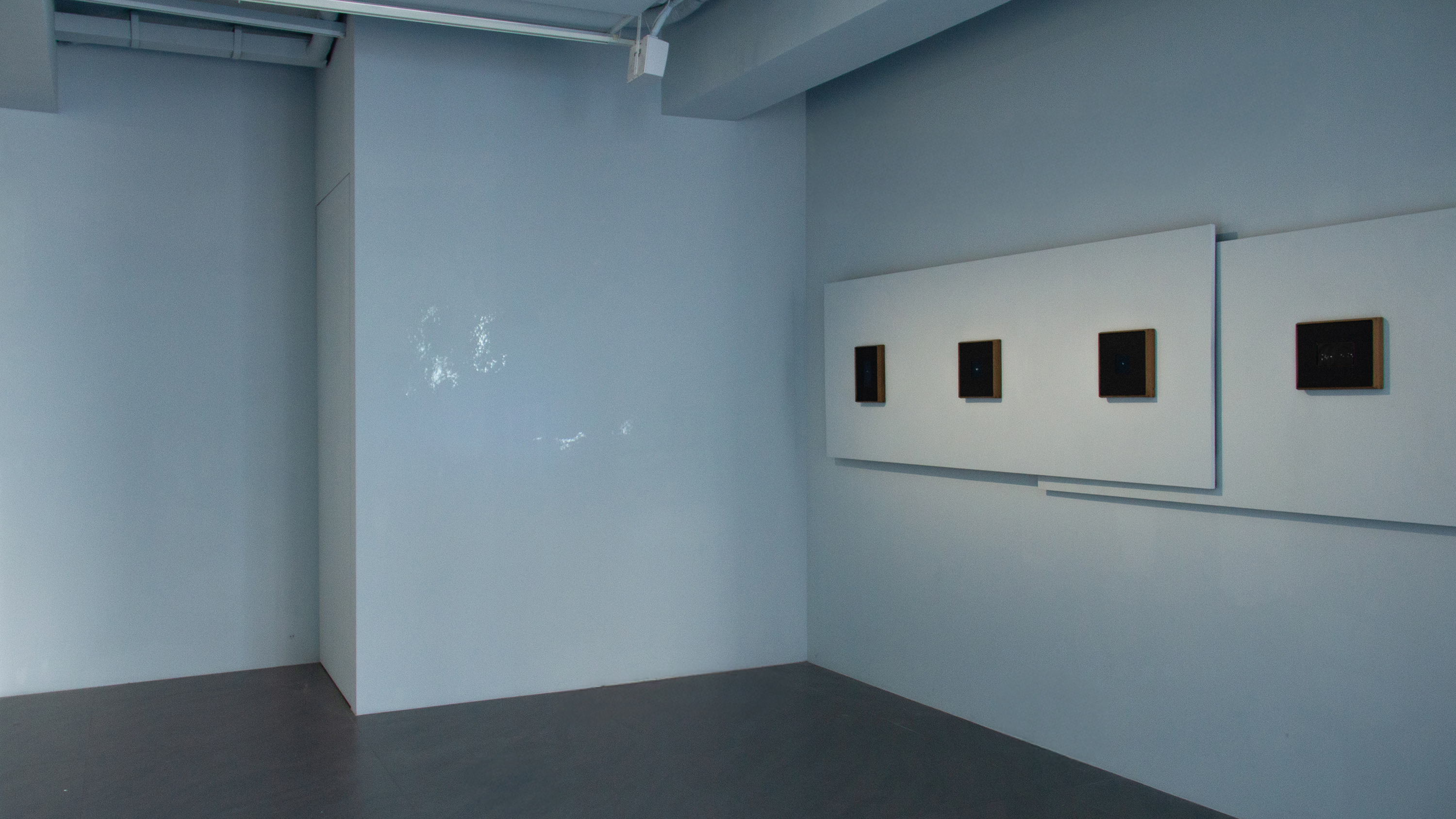
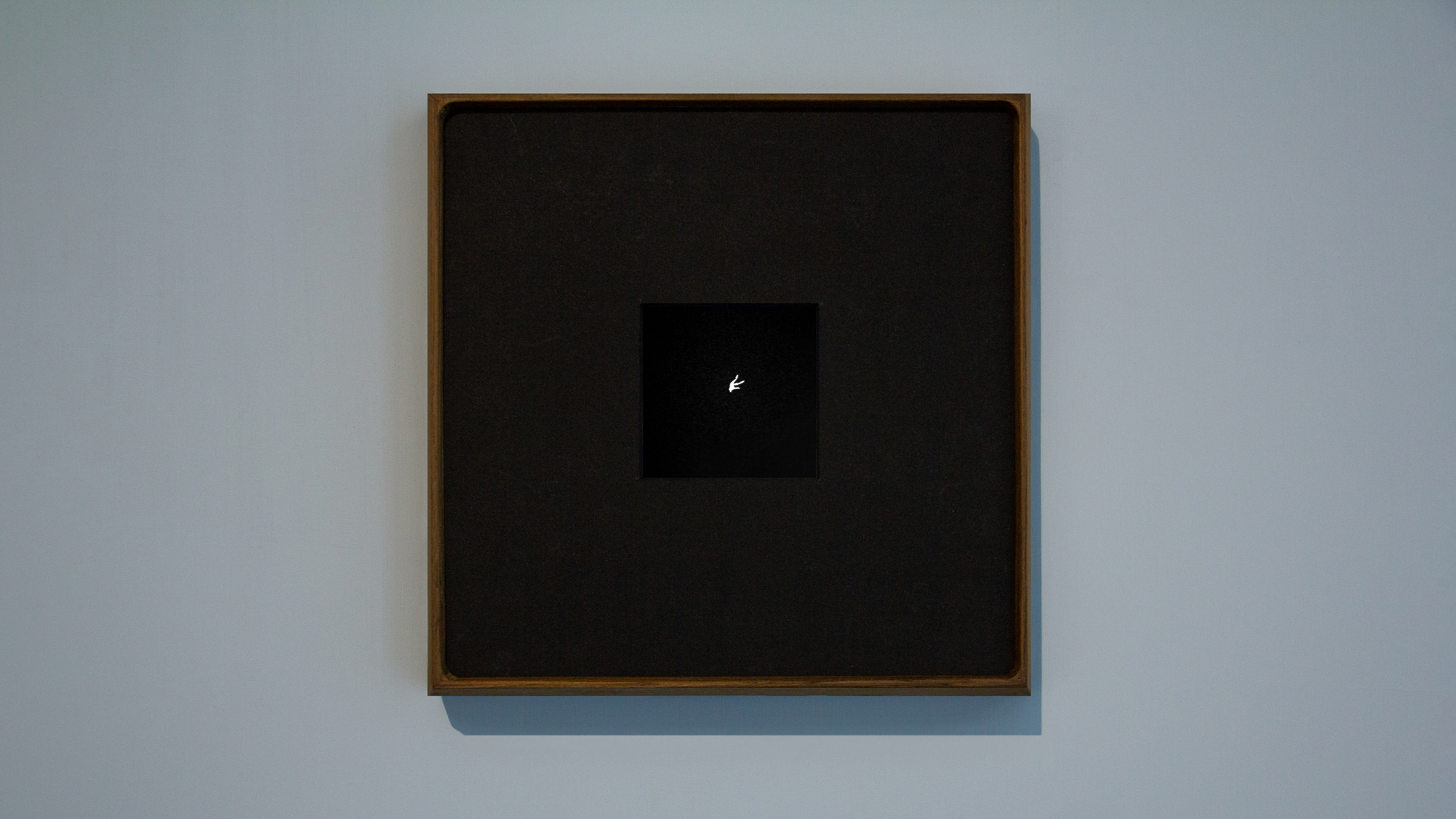
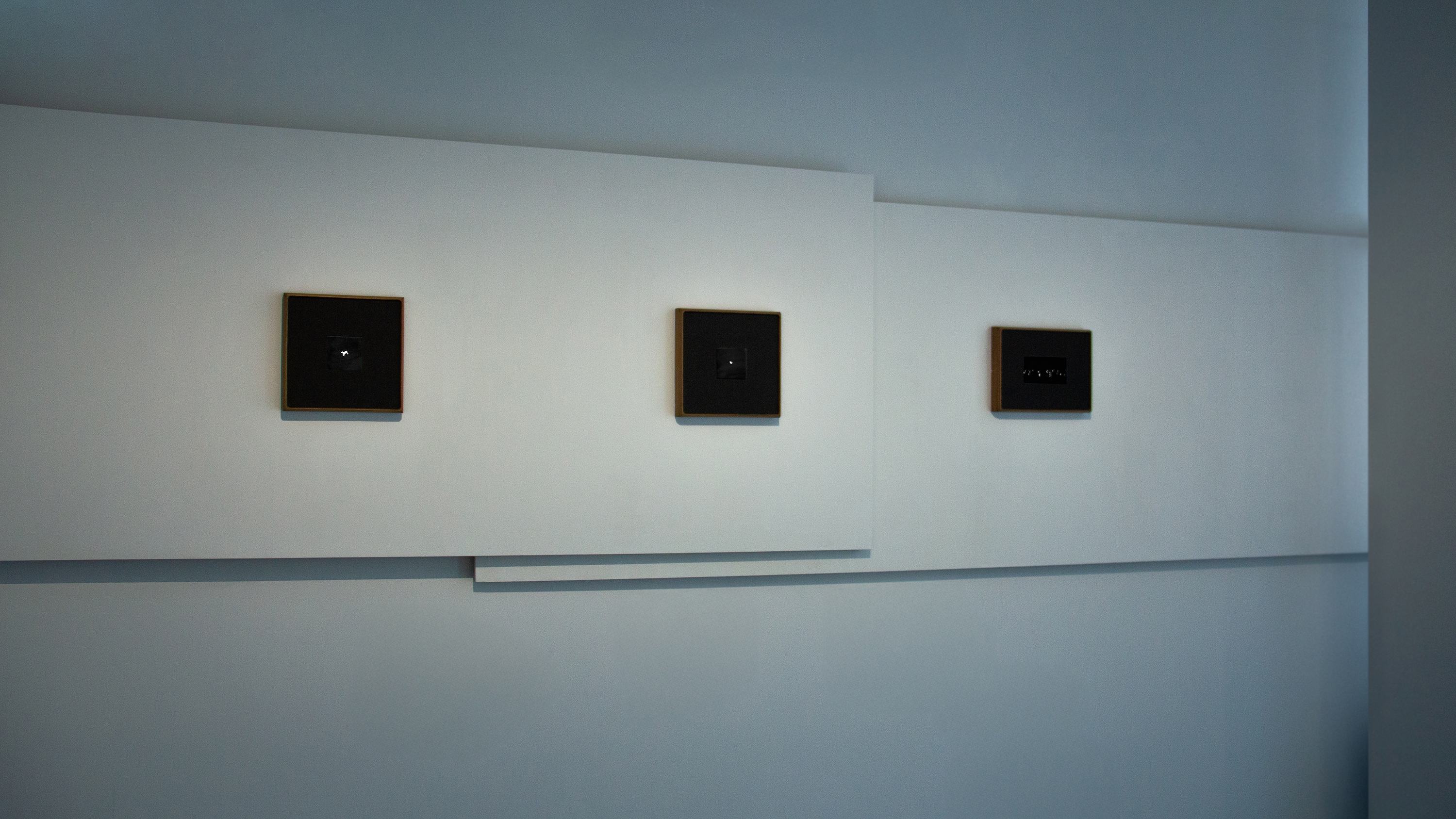
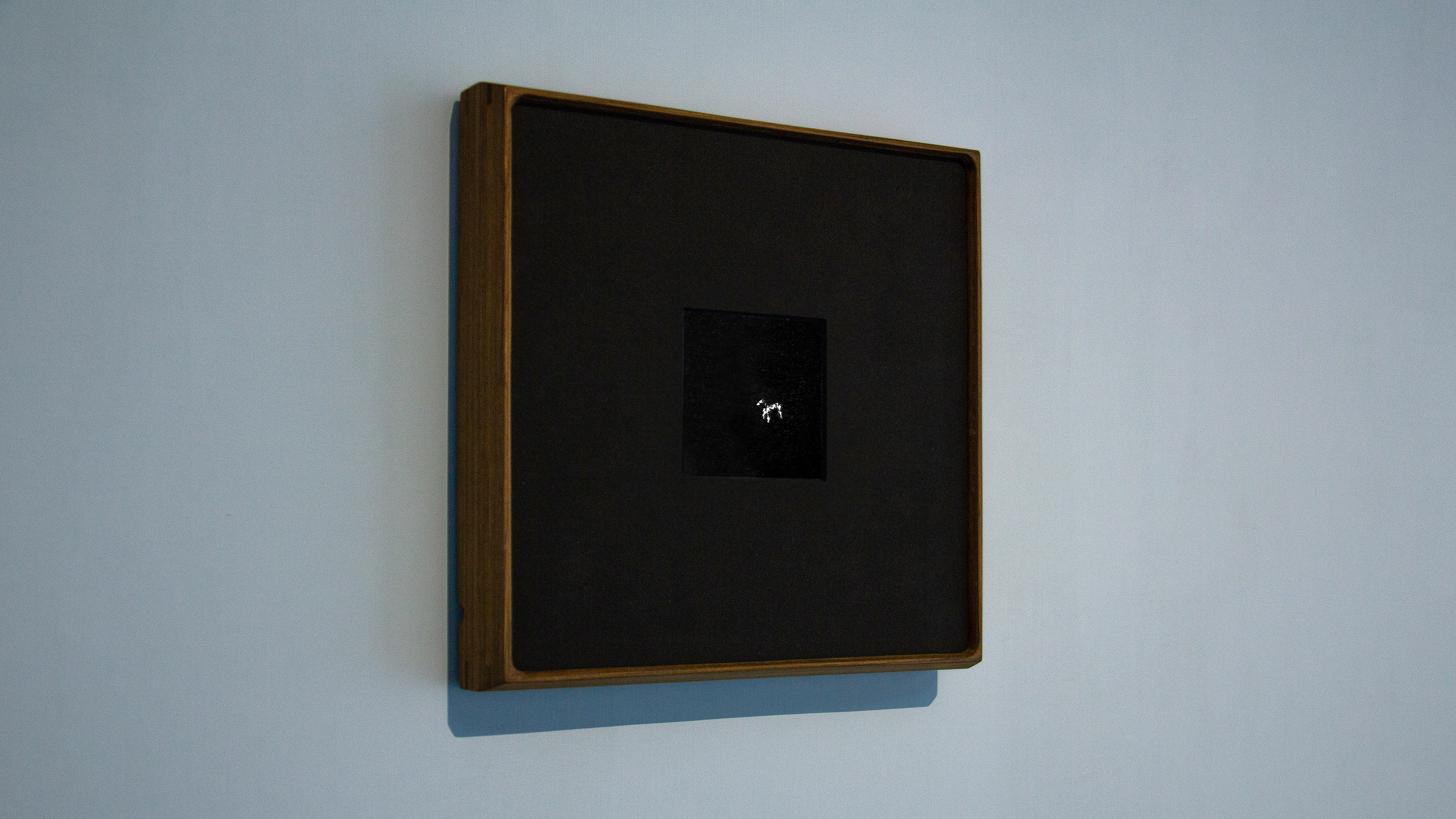
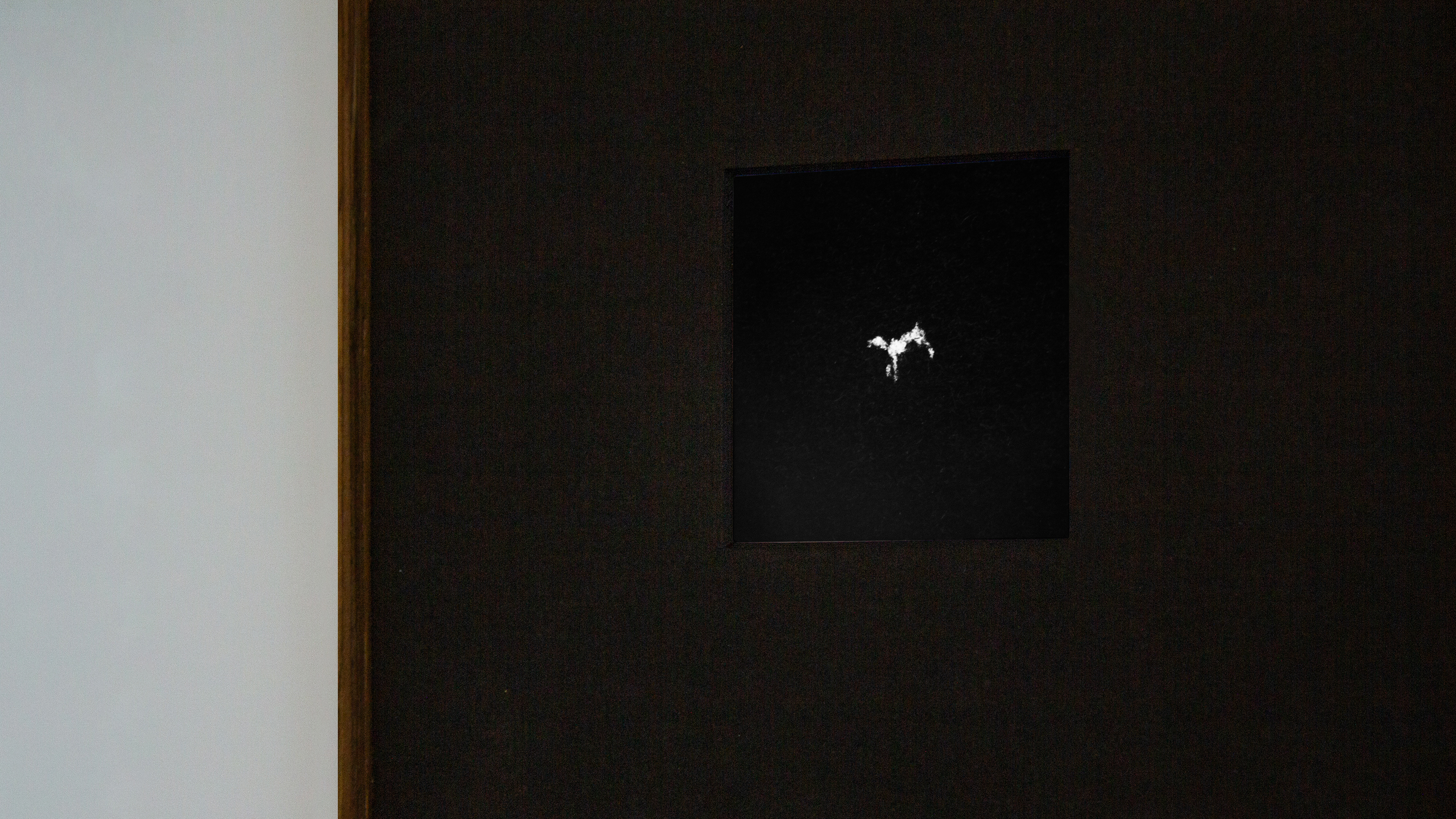
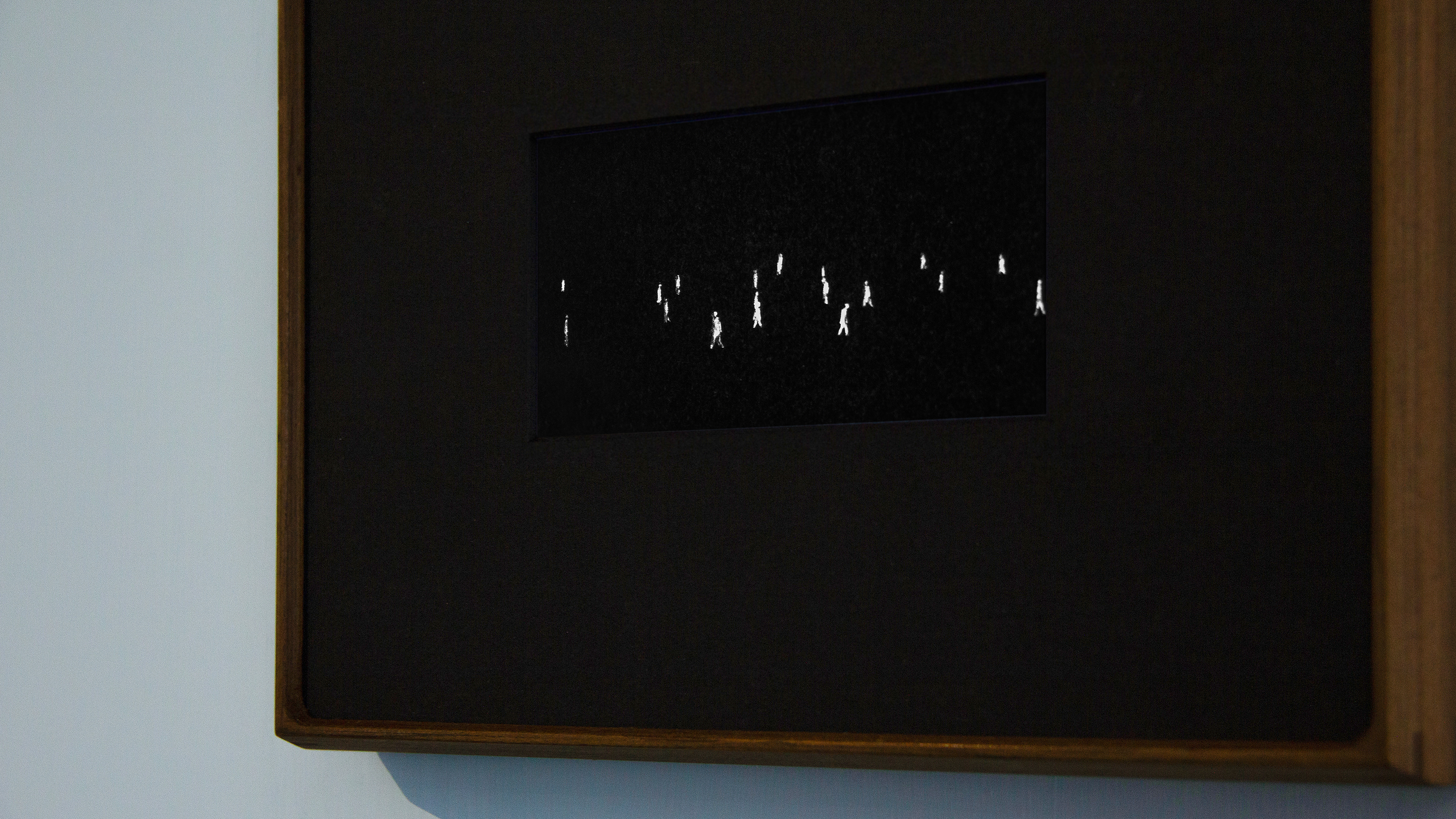
The tonal register of Chuang Ho’s work does not settle neatly within animation or video as singular categories; it unfolds instead between frame-by-frame generation and the flow of time. Unlike video, with its capture of real-time duration, he relies not on photographic recording or rotoscoping, but on the hand, memory, imagination, and bodily sensation to generate the image. The work therefore does not operate within the documentary logic of video, yet it retains the temporal experience akin to it. What is most affecting is the way this frame-by-frame progression forms a perceptual event in the act of occurring.

In this kind of animation, the image is not a stable object, but a presence in continuous transition, moving between appearing, transforming, lingering, and disappearing. In each drawing of the form, each deviation, each erasure, and each progression of the frame, contours are only temporarily attained. The image is less an object than an event, repeatedly summoned into being across time. Line, body, and space-time do not follow a linear narrative but draw upon one another across continuity and rupture alike. The experience offered here is one of moving back and forth between presence and absence, watching a form called forth frame by frame, and simultaneously watching it loosen, recede, or even vanish within time. When the act of developing an image itself becomes the process, we understand that some things do not first exist and then become visible; rather, in the space between incomplete emergence and delayed withdrawal, they gradually form a connection with the one who looks.

Dear Alterity may ultimately be nothing other than a greeting addressed to those parts of ourselves we do not yet understand. What it opens is not the absorption or incorporation of the unfamiliar into existing orders, but a slow and repeated drawing near. It is an invitation to dwell before things are named, to hold the gaze upon what cannot yet be confirmed, and, at the boundary between the familiar and the unresolved, to learn again how to encounter the world. Perhaps the detour was never really about avoiding danger, but about allowing us, on a path no one else has taken, to feel once more that between ourselves and the world, something is still in the process of becoming.
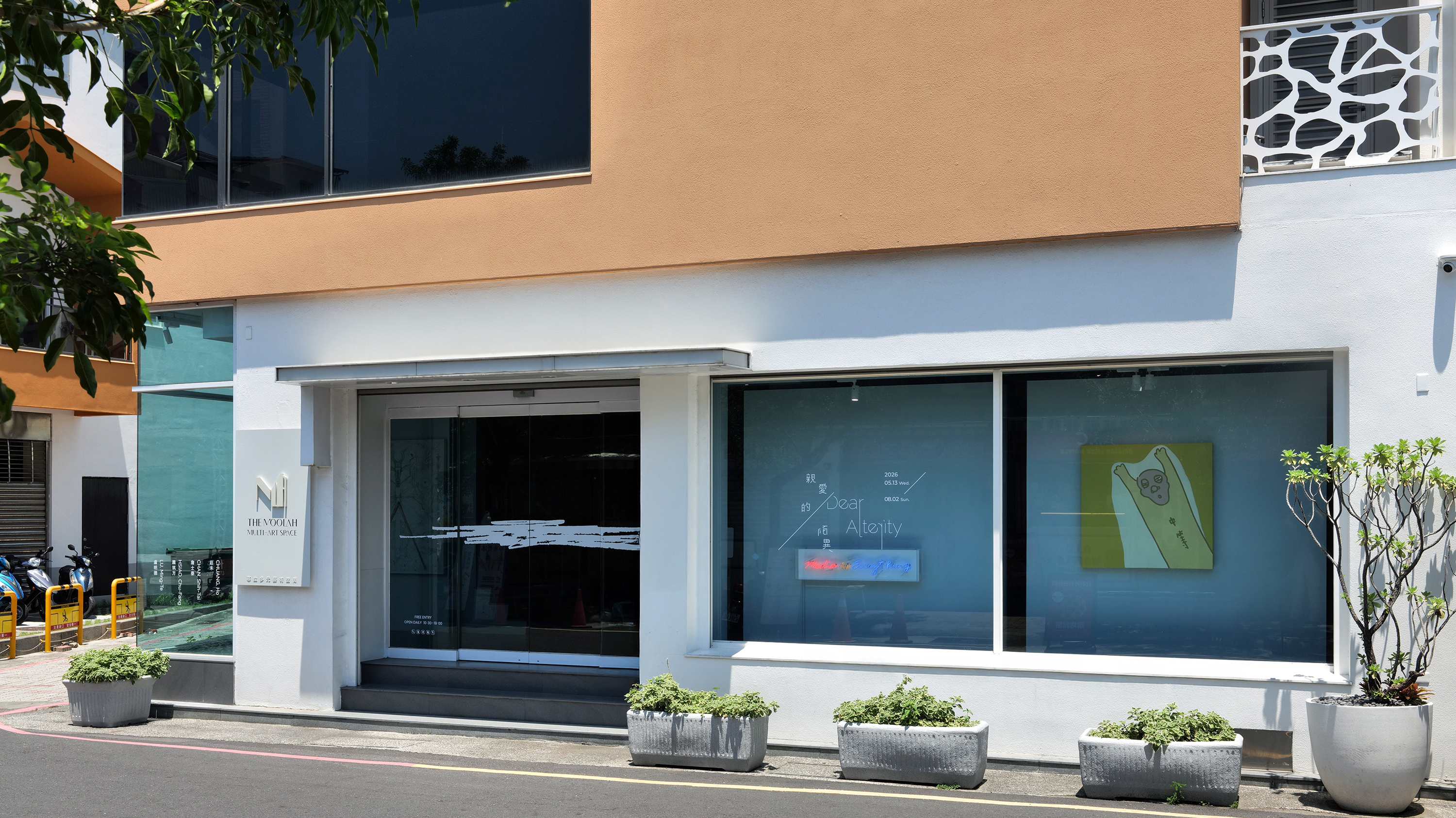
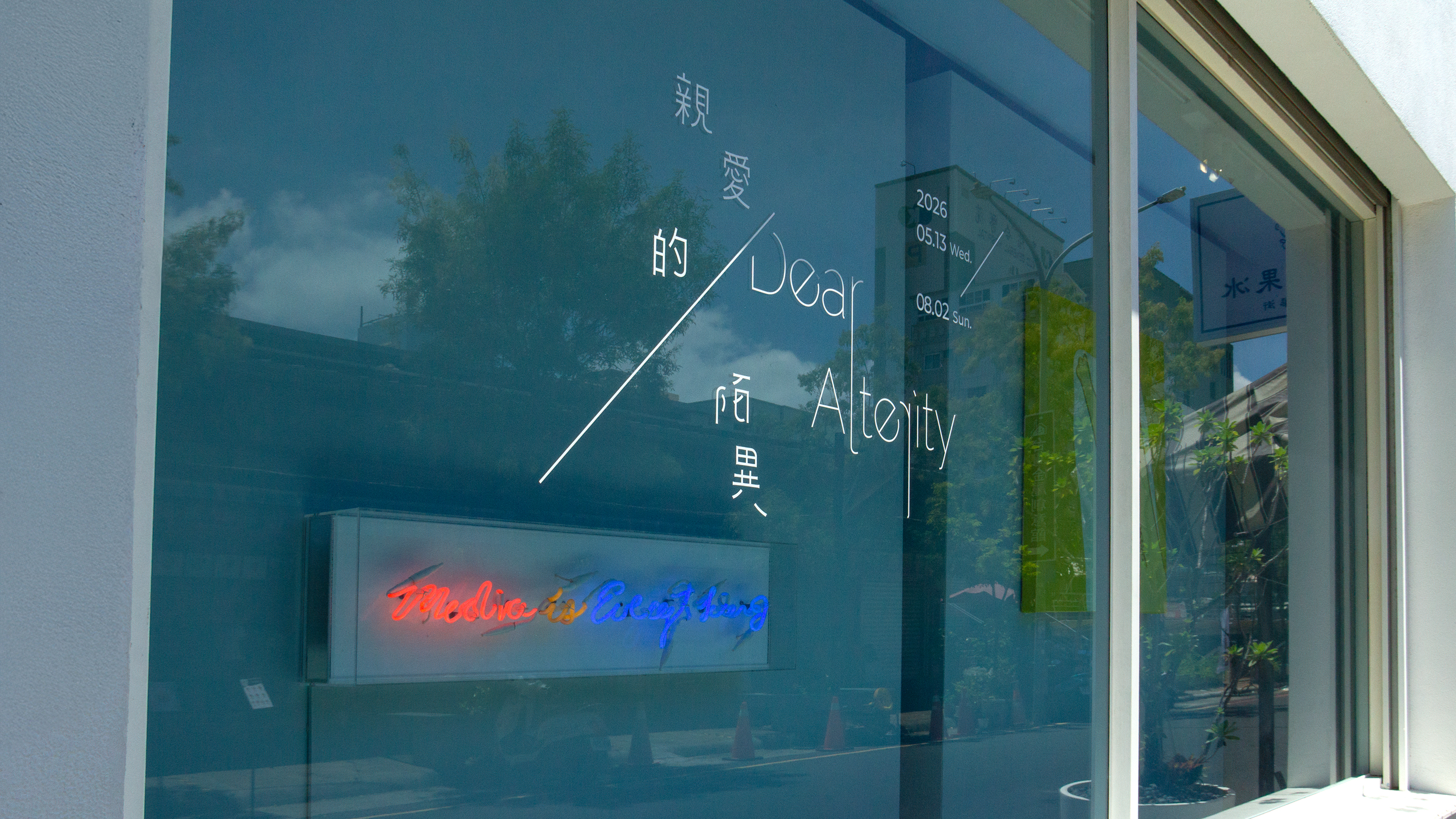
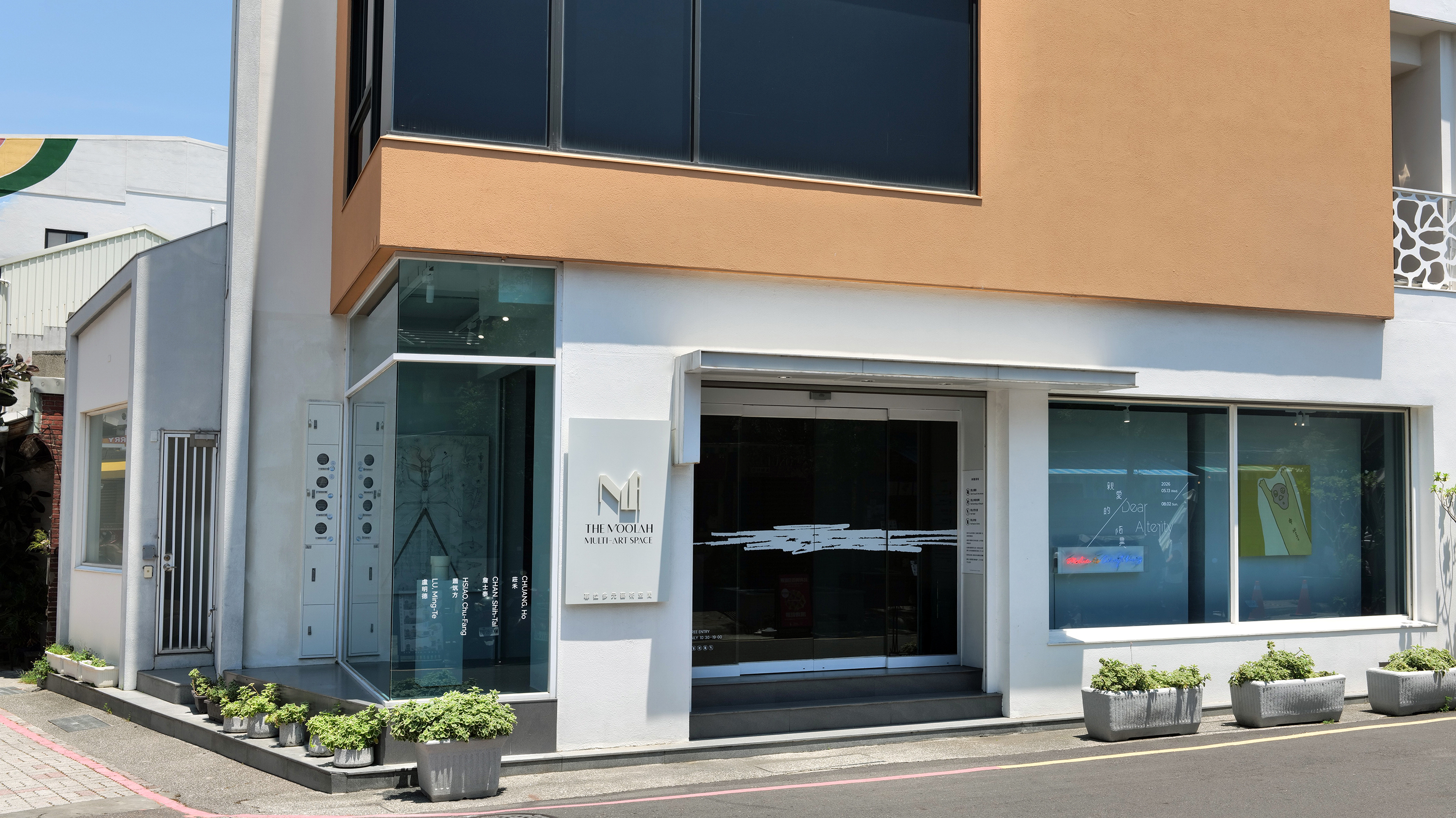
𝐃𝐞𝐚𝐫 𝐀𝐥𝐭𝐞𝐫𝐢𝐭𝐲-𝐃𝐞𝐭𝐨𝐮𝐫, 𝐄𝐦𝐞𝐫𝐠𝐞𝐧𝐜𝐞, 𝐚𝐧𝐝 𝐭𝐡𝐞 𝐁𝐞𝐜𝐨𝐦𝐢𝐧𝐠 𝐨𝐟 𝐏𝐞𝐫𝐜𝐞𝐩𝐭𝐢𝐨𝐧|𝗔𝗿𝘁𝗶𝘀𝘁𝘀 LU, Ming-Te / HSIAO, Chu-Fang / CHAN, Shih-Tai / CHUANG, Ho|𝗗𝗮𝘁𝗲𝘀 May 13 – August 2, 2026|10:30–19:00 (Mon.–Sun.)|𝗩𝗲𝗻𝘂𝗲 The Moolah Multi – Art Space|𝗔𝗱𝗱𝗿. No. 15, Sec. 3, Guohua St., West Central Dist., Tainan City 700, Taiwan (R.O.C.)
